 ALLProblematic

‹ Back to Episodes
July 30, 2026
Episode #35Albums We Think People Should Know About...
July 30, 2026 ◷ 2:51:05
On this episode of Stairway to Eleven, we wrap up the 2026 World Cup before diving into albums we think more people should know about. From overlooked classics to forgotten favorites, we're sharing records that deserve a spot in every music fan's collection. We also catch up on some recent concerts we've attended... or maybe we didn't. Tune in and find out.
35Albums Mentioned in This Episode
View Albums
Albums Mentioned in This Episode
View AlbumsOur AI is a real Trooper (Up the Irons!) but it still doesn't get everything right. So please excuse any missing or incorrect items.
#ArtworkArtistAlbumYou Must Listen
ALLProblematic

 Artificial AstronautDeep Black Out

 Ben FoldsRockin’ the Suburbs
 Ben FoldsSongs for Silverman
 Black SabbathTYR
 GammaGamma 1
 Huey Lewis and the NewsSports
 Janos Varga ProjectThe Wings of Revelation I
 Jeff BeckThere and Back
 Jeff BeckWired
 Jimi HendrixBand of Gypsys
 Joe JacksonBody and Soul
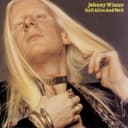 Johnny WinterStill Alive and Well
 Matthew SweetGirlfriend
 Michael Schenker FestResurrection
 Talk TalkThe Colour of Spring
 The Northern PikesSnow in June
 Warren ZevonThe Wind
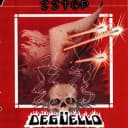 ZZ TopDegüello
Spotify Playlist
● Open SpotifyA bug in Safari prevents playing full songs, please use Chrome.
Transcript
View TranscriptDownload Transcript ⇩
Transcript
View TranscriptDownload Transcript ⇩ⓘ This transcript may contain errors. Please don’t quote it in your yearbook.
There's a podcast that shows all that rocks hard is gold. And they're climbing the stairway to 11. When they get there they know the record stores are all closed. But online they can get what they came for.
Oh, and they're streaming the Stairway to Eleven.
Hello, and welcome to Stairway to Eleven. My name is George.
This is John. I'm TR.
And this is Jake.
How's everybody doing today? Are we glad the World Cup is over?
I enjoyed watching, but I'M glad Argentina's gone.
You know, I heard an interesting thing, John. I read this in the New York Times, and it was that, and this probably won't be a surprise to any of you guys, but all through everybody in Central and South America was going for Spain because they hate Argentina, not as a soccer team, as a country. So, yeah, so there was no, you know.
The enemy of my enemy is my friend. They didn't endear themselves with the world, I can tell you that.
So, well, I think I'm more interested in your kind of recap than anybody else's. Yeah, I mean, the best team won, even though they, I'll never forget, they drew against Cape Verde, or as everyone's saying, Cabo Verde, which was a team that was their first time ever, and they drew 0-0, and I sent a message to a colleague, who's a friend of mine also, I said, can you believe this? I can't believe they drew against Spain. Well, I just learned, I just, that's like,
The single, what am I trying to say, data, if you say the word data and then you say datum, that's the singular version of data. I've never heard drew in the past tense of a draw. That's interesting. Okay, they drew. Oh, yeah. All right, now I can use that. Yeah, or yeah, it was a draw they tied and everyone left Spain for dead and it was just like 2010, same thing. They started out slow and then just picked up steam and they just dominated everyone.
the best team in the world. I thought they were the best team in the world. They literally just pushed France aside like they were nobodies. Mbappe. Mbappe. He's great. I thought France was overconfident too much. Sort of broadly true about France in general. Rightfully so. They're extremely talented.
And they're going to be even more talented. So the manager they have is great. But now they're bringing in... Do you guys remember who Zendon is? I'm saying his name right. The guy who headbutted the Italian player in the chest in the World Cup and got the red card and thrown out. And then Italy won the World Cup. The guy said something about his sister. Apparently during the game, he turned around and headbutted him right in the chest. It's like one of the all-time memorable spots in a World Cup. He may take over as their manager. He's a badass as a manager.
They're going to be scary. Oh, boy. I thought that third place game was pretty crazy. Completely useless, too. Was that like 10 goals or something ridiculous? Yeah. Well, everyone in England is furious. I'm sure Derek is enjoying the fact that England scored six goals in the third place game, knowing that they couldn't score any goals after they scored one against Argentina. That's just... Oh, God.
John, have you seen that vaguely related, really cool kind of viral video that's out there where somebody's in, I think, Liverpool, and they're saying, and they start with a man on the street thing, and they're like, hey, did you happen to watch this game in 1963 or whatever? Oh, yeah, it's the goalie. Yeah, the goalie. I love that video. Yes, well, yeah, of course I know. It's me. It's me. I've liked it. It's such a nice video, and he's such a sort of humble kind of just whatever guy, you know, to go.
Some older guy walking down the street. Alan Paul scored the winner. I just love that little clip. Am I wrong that it was in Liverpool where the interview was? I'm pretty sure it was. Derek, if you know that story and it's not correct, please correct us. I'm pretty sure it was Liverpool, though. His name is Lance something, I think, or something. But in any case, did anybody else watch any games? Because I tuned in. A little bit. Not as much after the U.S. was out. Yeah. I mean, I like to be part of
things that people are part of, you know what I mean? And just know that everybody's out there watching on edge and it's not too hard to get into a sporting event that way. If there was something on and I didn't have anything else specifically to watch or do, I'd put it on my computer and just let it run while I'm doing stuff. I've watched most games, depending on who was playing too. If it was something I had to do, I was like, eh. So how many teams were there from the get-go? 48. 48. They expanded it. Oh, they did? Is this the first year of the expansion? First year, yeah. Oh,
Oh, and how large of an expansion was that? 32 to 48, if I remember correctly. Okay. And everyone was upset about it, but it ended up being that a lot of the teams that people said shouldn't have been there provided some exciting moments. How do you rank this as far as the last however many World Cups as far as excitement and fun and goodness? Well, I mean, it was fun because it was here. I mean, we were down in Fort Worth, and there were tons of people
down there because they played so many games in Dallas. Which, you know, I would have preferred they played in Dallas or in, where's the other, or LA for the final, to be honest with you, not New York. Because that couldn't have been, that was probably the worst place they could have played for a final. Did you see why there's, it's rumored, I don't know if this is rumored, I'm sorry I keep quoting the New York Times, but apparently, what's the FIFA guy's name, big guy? Oh yeah, inferior, whatever his name is, I can't.
So what they said was that he wanted it to be there because it was so close to New York. Which is convenient for him or something, I think. Like, quite literally. I don't know. But everyone. So the SoFi Stadium in L.A. has got a translucent roof so you can see out. But it's covered. But then the sides are open. So you get the ocean air that comes through, which is kind of cool, actually, I guess. And in Dallas, you know, they got that massive place for the Cowboys play, I guess.
A little bit better at a place like that, I think. On grass, at least, indoors would have been much better. Not indoors, but you know what I mean. New York was just not great. And then I don't know if anyone saw the studio crew, which was led by the woman Rebecca Lowe. She works on NBC. She does the English Premier League. So she was doing it with these three former players. And I kind of follow her a little bit because I think she's awesome.
She's really good. And she lives close by where my mom lives right now in California. Because she became naturalized. Her and her husband are naturalized citizens now. Even though she's from England. Oh, England. Okay. Yeah. And she was telling the story about how they had to be at the stadium. For anyone who's driven up in New York and knows this, I know Georgia TR, you guys know this. You don't go from, even in New Jersey, you don't go from the river to east rather.
in five minutes.
No.
Yeah.
It might only be five miles.
That ain't happening.
And she's telling this awesome story about how they were like in a helicopter and then police were escorting them.
And she's like, scary helicopter ride.
Then we're like, police escort.
She said, we literally got in two minutes before I was supposed to go on air.
Oof.
Wow.
For the World Cup final.
That's rough.
Cheat.
Yeah.
Yeah.
Has anybody seen Leslie?
Yeah, I was just up in New York and around when World Cup was starting. So there were signs. It's like I was getting out of New York on Sunday and I think Monday or Tuesday was a game. And so there were signs. There were a lot of people up there for that? Yeah. Did you see walking around? Yeah. There was also the golf Masters, I think, was also playing out on Long Island where I was. So it was a busy time in New York.
Oh, God, I'm sorry. I was just going to say, you know, in one of the times where we spent, you know, a ridiculous amount of time inching along roads in New York, we were leaving Brooklyn. And there's a sign that says, you are leaving Brooklyn. Forget about it. I was like, oh, got to take a picture of that.
I do have one story remind me when we get to the shows portion of people in Fort Worth that were there for the World Cup. There were two guys in our hotel from England. So if anyone remembers, I'll tell you a funny story with those guys. When this will be a while back now, but when we all went to Death Fest and I came down with Looch from his place.
I'll never forget. We're such a couple of rubes. You know, we were like, we, he would be like, oh, this is, you know, this and my cousin lives or whatever, blah, blah, blah. And then we were kind of going for a while. It was quiet. And we crossed this little bridge and up into a thing. And I was like, where, where are we at right now? And he goes, I don't know, man. Like he goes, I don't know what, what time we just pulled to. And it was Manhattan. Like, how are you pulling to Manhattan? But no, you know, but we were in like the extreme, you know, I guess north. And it was just,
Hilarious that we were such hillbillies. Yeah, we went over, I believe, the George Washington Bridge. And it's the first time I've ever been over the George Washington Bridge because I don't normally deign to drive around New York. But that's, I believe, the bridge at the very north end of Manhattan. And that was quite the interesting view. That must be where we came in. Yeah. Sorry. I got to tell you. Go ahead, George. Oh, and then it like, I think, and then it crosses over into the Bronx.
Oh, right. Yeah. I was going to say, I always found the easiest way for not training into the city is to park in Weehawken and take the ferry across. I did that once. My parents called me and said, hey, we're going to be in New York. Do you want to come up? We have a room. It's like, uh, yeah, hold on. Yeah, I can get Dream Theater tickets at Madison Square Garden, so I'm coming. So I did. I went up. And I parked for $8 a day. This is in New Jersey now.
I took the ferry across the river for eight bucks. I spent two days in New York. I paid like less than $40 to park my car and get into the city. That's amazing. The part that sucked though is once you get off the ferry, that's not a short walk to get where you're going because you're going across the island, not north and south, east and west. Oh my God, that took forever to go like six blocks because those,
Those blocks are long. Yeah, that's true. Oh, my God. When you, TR, when you and I walked from Madison Square Garden from Penn Station to our hotel, that was, we walked like, what, 25 blocks? Oh, my gosh. Because they were so short, remember? Yeah. They were short blocks. And then we had a crossover. It was like, geez, blocks, like eight blocks. It's like eight north-south blocks. It's so much walking in that city. It's unreal. Yeah. Speaking of shows, John has the kind of,
sad and disappointing distinction of like your shows you go like boy I wish I was that at that show do you remember that you ever hear about that show well John had tickets to the Getty Lee got six show oh yeah all right we'll do shows then yeah so you had so you saw them the night before correct no I didn't see any shows oh okay so we went we take it away all right just real quick we got down to Fort Worth on Sunday so I bought tickets when it was only gonna be four
We thought, oh, that's all they're going to do. And when they say it was the 50-something tour, they're not talking about 50-something years. They're talking about 50-something cities. They just didn't. No, they just didn't tell everybody. I'm being sarcastic. Okay, sorry. So we got Fort Worth tickets, but we went down and we got there for Sunday, so we did not go to that show. Even though there were people there for that, we did a few things around the city. It's the first time Jen and I have been on vacation since we got our cat.
because we have no one to watch her. And we finally got a place that will watch her. But it actually came to our house. So it worked out really well. So we kind of just did our own thing. And then when we went to the show on for Tuesday, literally we're dressed walking out the hotel room. It was a mile from our hotel to the doors in 100 degree weather with no shade and lots of wind.
So we were getting ready for that walk
And it was
It was shitty out
I can tell you right now
Because there was a Saharan dust storm that hit Texas
So it was kind of like what everyone's been experiencing
On the east coast with the Canadian fires
And Jay what you've experienced in California
When you get that haze
The sun can't even break through
It's light out but it can't break through the haze
So it was like that
And I said I'm just going to check
Russia's a band the Facebook page
just to see if they posted anything.
Because we wanted to get shirts.
They were selling shirts in the parking lot.
All the merch was being sold in the parking lot before the show.
They had a setup, a big rig set up in the parking lot.
So if people wanted to buy stuff and put it in their car right away, they could.
Oh, that's cool.
You know, I've seen that.
I know Maiden does that in Europe sometimes and stuff.
Maybe that's more of a European thing.
Yeah.
So we're like, oh, let's go and see what they have.
Maybe we don't have to stand in line inside.
And the lines apparently weren't long the night before.
So I go and I check and I'm like, you gotta be fucking kidding me. And she's like, what? And I'm like, show's canceled. Now they had just canceled the first show because they couldn't get their trucks into the country. Oh, that's right. I forgot about that part. Yeah. They, they have such a huge setup. They, and there wasn't enough people at the border to get them through fast enough. That's the story. So, and then when you see the trucks lined up,
because Rush fans are nerds and people
were taking pictures. The trucks are here! The trucks are here!
Yeah.
Pictures of the trucks in the parking lots.
There were.
Yeah.
So we were walking out of the hotel at 5 p.m.
The show started at 7.45.
It's a mile walk. We were going to go hang out.
And I said, the show's canceled.
She's like, no, I can't be wrong.
I'm like, yeah, it's canceled.
I just verified it on X number of sites.
And then I verified it with the band.
I verified it with the venue.
And then the video came out of Alex talking. So we were at the lobby, downstairs at the hotel, and people were losing their shit. Are you kidding me? What the? Just upset. Other people were shocked. And I was just like, damn Saharan dust storm. Well, but these are kind of like destination shows. I mean, like a destination wedding. I mean, these people were like, if I got to travel to see Russia, I'm going to do it. So there was a lot of people.
Yeah.
Did you?
I never heard the fate of the show ultimately.
Were they rescheduling this?
Yeah.
So they rescheduled them to last week.
So they did both shows.
So the first show got canceled twice.
The first time canceled because of the border issue.
Second show, it got second time got canceled because Giddy was sick.
He had laryngitis and bronchitis.
Yeah.
If he if he's singing his age and you get hit with that Saharan dust.
Forget it.
You're going to get laryngitis.
It happens.
Forget about it.
Here's the thing. It happens. There's nothing you can do about it. It sucks. So we run into these two guys from England. And Jen's like, were you going to the show? And they're like, yeah, we were. But, you know, we came for a World Cup game, too. So I guess that's the silver lining. Good for them. Way to think of it. So we ended up, there's a museum right across from the hotel. I'll wrap it up with this. And the Holy Sepulcher from Jerusalem was there, which,
are all the artifacts from, I don't know if you guys are familiar with what the Holy Sepulcher is. It's supposedly the spot where Christ was crucified. They built a church on that spot. It's considered the holiest church in all of Christianity. So, and Jen has actually been there once. So she's like, we got to go see this. I'm like, all right, cool. Anything. I don't care. What did they, it's our artifacts from it? Yeah, all kinds of artifacts. And they had, it was,
It was supposed to end on June 30th. They decided, oh, it's so popular, we're going to extend it another week. So we got to see it because we were there. You know? Or no, it was supposed to end like a week before we got there and they extended it like a week. And we saw it on like one of the last days before it left to go somewhere else. But yeah, it's all the vestments, all these like... Right. St. John's, blah, blah, blah. All these staffs and the shrines you see behind the altar and everything. All this stuff. It was crazy. And it was...
was moderately filled. That exhibit also was Half Price Tuesdays. It was completely full. I was getting annoyed because like, all right, dude, have your conversation over there. You don't need to stand in front of this really cool blue tinted thing that I've never seen before. I don't know what it is, but I can't see it because you're standing in front of the exhibit because you want to talk about what you had for dinner the other night with your friends. Move it. It was one of those deals. That's how crowded it was.
Were there a lot of Rush t-shirts in there? Oh, God. I can't tell you how many people we ran into. The museum was full of Rush fans. Yeah. Cool. And you know what? There you go. You can count on Rush fans for that. They're like, let's see what culture's in town. You know what I mean? They're not like... That's true. Well, that and they're there 12 hours early and they got to do something with their time. Or their show. Yeah, or whatever. Or did you go before the show? We went the day of the show. So did you just take a refund of your... Yeah, that's all I did. I took a refund and bought better seats.
for the first night in D.C.
Oh, great.
Okay, well, silver linings.
Yeah.
Gotta wait till late September, or September not to see him.
October, right?
That's in October for those shows, yeah.
Oh, yeah, yeah, yeah.
So, it happens.
Whatever.
What are you gonna do?
I mean, I'm not gonna speculate on why he was sick.
I'm just gonna assume that he...
Dude, I walked outside to go to the store during the Canadian fires, all the stuff coming down.
I got home and I said to Jen, I said, my eyes are burning.
I was in the car for 10 minutes. You know, you mentioned California, and that's where I lived before I live now. And, you know, even though we might be more, I mean, I live in the desert now, so we might have more mountain fires and stuff. California or Oregon or whatever, always on fire. And there were some summers and falls in the Bay Area that were so miserable because of that smoke. Yeah, I mean, it keeps the heat low. Yeah. You're not getting sunlight. You're just getting light. But no, it's not coming through.
And if you can taste it in your mouth, it's like sitting in front of a, with your head over a campfire for just time. Yeah. It's like, who keeps squirting that bottle of lighter fluid? You know? Brutal. But anyway, we came home and George and I saw an outstanding show. So I'm going to let you start it, George, for that. I was kind of hoping we'd... You want to save that for the light? Save everything. Yeah, we didn't intend to go here yet, so...
Or you could just clip this and put it on the back end. But that's extra work. It is. All right. Yeah. Why don't we do that? We'll save it. We'll do the disaster first and we'll do the good stuff last. Yeah. Okay. Yeah. It's too bad. Because they had a really cool – so they're doing specialized shirts for every place they're playing. And the one shirt for Fort Worth was a picture of Dickie's Arena. It had the big steer.
the horns on top of the arena. And on the back, it said, all the world's a stage, which is their first live album. But it said, y'all, y'all. So Y apostrophe A-L-L, the world's a stage. Y'all, the world's a stage. I was like, I want that shirt. So Jen said, are you going to buy it? I said to her, I told her that the shirts were online. And I said, nope, didn't go to the show. I'm not buying it. Yeah. Not doing it. I'm not that guy. I'm not that guy.
I'm not going to so I can tell everyone I went. Yeah. No way. I know people like that. Really? I wouldn't do it. I do. All righty. So this time around, our main topic is albums we think people should know about. This is a very open-ended, generic type of
Thing? Type of episode. So that we can just kind of talk about whatever we want. So we're going to do that. And Jay is going to start us off. I kind of went thematic. As pleased as George, I think a little bit. I started playing guitar again recently. And thankfully, I think I found kind of a better guitar player now. A much more relaxed guitar player.
I played for a while. I realized I remembered everything, and that was great. So I'm playing good, enjoying that, and it's tossed me back into listening to some of my favorite guitar players. I don't necessarily just like to listen to somebody jerk around on the guitar. I like it in the context of a good rock or blues or whatever record and all the different stuff we listen to. So I thematically went around. I've chosen records that I thought,
are kind of representative of some of my favorite guitar players, of moments in their career. So I'll just, I'm going to start with the first one here, and actually I'm going to randomly choose because I didn't want to put these in order. There are no orders here. And I think I'll go with my Jimi Hendrix selection, and this record has come up in both podcasts recently, but I'm going to just say Band of Gypsies.
And so, you know, I get it. I get people who don't get Hendrix. Like, I totally get that they don't get him, especially since, like, Band of Gypsies, you know, every song's like 14 minutes long. I mean, not every song, but what I like about this record, well, first off... Was this the first Band of Gypsies album? Yeah, the live thing at the Fillmore, I believe it was. No, I thought that was in New York. Isn't it? Yeah, Fillmore East.
I could be wrong. I do think it was in New York, yeah. Yeah, I thought those were the New Year's Eve shows, weren't they? Yes, because he does wish everybody a Happy New Year. Because there's four shows, I think, that were recorded. Gotcha. Okay. And I have been listening to the expanded version, which was a question you asked me recently, John. So good. What I really, really like about this was that it's kind of Hendrix in a band context. And he, which he always had a band, obviously, I mean, but he decided to go out and just kind of get a band.
get a bunch of like-minded people and they were kind of going in bear with me here but a
slightly sly in the family stone direction they kind of were doing this like really kind of upbeat kind
of way of thinking and also he had like buddy miles in the band who could really sing and um he just
packed it up with great players and that's no detriment to any of the other hendrix um iterations or
albums.
But I just think this band was destined to do something great.
And unfortunately, this is what they did.
And then he died not terribly long after this.
But it's a record I suggest if you really pay attention to him in this, you'll understand why he's great.
There's everything from the 14-minute version of Machine Gun and where he just solos for eight minutes at a time and it's never boring.
And then there's things where Buddy Miles kind of takes the lead and sings a song and Jimmy literally just goes back to his pre-ARMY days where he's like playing the rhythm part. And he's he's so amuses the living daylights out of himself by doing all the cool things with the rhythm part that you could possibly do. And I don't know. It's just it's it's kind of and it's funny because I think a lot of people would choose, you know, the first few albums or even the Woodstock thing, which is great. I kind of prefer Jimmy in a live setting, you know.
for what's on tape and on record. So I don't know. If you want to get to know Hendrix, this is kind of a weird place to start because it's not all Voodoo Child. No, I mean, he doesn't even really play much of his catalog from the early days on those shows. There's only a few songs he plays. Absolutely. Which is what makes it so great. Well, and it was also his first step in this new direction. Yeah. Oh, yeah.
I think of it as the waves of Woodstock because he came out of Woodstock and I think he thought I'm going to kind of start over here a little bit. The other cool thing about Jimmy is he used to do a good cover on there which I'm not going to go look at right now but Jimmy is great about covers. And I saw this interview and this is where I'm going to stop on this record but I saw this interview with Paul McCartney recently and I think it was that thing with Rick Rubin.
And in any case, and this was what was so great about Jimmy and how much of a genius he was. I'll say two quick stories. One is he did the Isle of Waite Festival. And right before the Isle of Waite, and Jimmy was sort of famous for doing the National Anthem, as you know. And at the Isle of Waite, he's literally just about to go on and he looks at someone and goes, hey, how does God save the Queen go again? And they hum the first bar for him, but he goes out and just tears it apart. Does the coolest God save the Queen you could ever hear in your life?
And the other thing was I was going to mention was I like that they used to do people used to cover their contemporaries, you know, like he famously did all along the watchtower and that kind of thing. And to get to the Paul McCartney thing, McCartney was talking about the day that Sergeant Pepper was released. Jimmy got a copy and that night he played the title track. Wow. Yeah. Yeah. So I just say again, if you put it on, pay attention to the whole thing because it's an oral landscape. That's really great.
But if you really want to just tune in on him, everyone's smelling your leg, this guy. Wow. What we could have gotten from him. Yeah. Well, I mean, I think Machine Guns considered one of the greatest guitar songs ever, isn't it? That version. That version. And what's in so case, I'll briefly talk about that for a second, which is just if you're at all a guitar player, you know anything about guitar, or even if you don't, his guitar goes from distorted to undistorted to all these different things. And it's because he used his volume.
It was part of his playing. He used
obviously he used a wah pedal. Jimmy had this whole setup and it was all part of how he played
the guitar. He knew what sounds were going to happen when he did certain things. And it's so fun to hear him back off the volume and go up the volume when you're like
when could his hand move during that phrase to do that?
You know, stuff like that. He was insane. He does this great thing.
that I love. It's one of the things I used to have a guitar teacher, and he bends up on one string and brings another string with him. So let's say he bends up on the B string, George. And then he plays a note on the G string, which is also bent, and brings that one back down. I try it and see if you could possibly do that. So you bend up on the one string and then... Play a note on the G and you bend up a whole step, and because the B string, or because the G string is going to be under your fingers because you're pushing that too,
then somehow, not noisily, drop the B string and play the note on the G string instead and bring that note back. It's stupid. And he's full of stuff like that. And to do that off-the-cuff live, that's insane. Yeah, exactly. Actually, all those live shows, like Live at the Winterland is awesome. All that stuff, Monterey is great. There's a Berklee show I have that is great.
Listen, dude, it's just so big during those shows. And he's like, oh, man, I'm going to play a song by some cool cats we know. He's like, what are we playing? Oh, yeah, yeah, yeah, man. In the Winterland, they rip out just this wicked version of Sunshine of Your Love by Cream. And it's just like, this is badass. Because he hardly, he played his stuff. But like you said, Jay, he would go off and play all kinds of other things that were covers or other songs.
that weren't on albums. And he just did whatever he wanted. Some of those early ones are great because Mitch Mitchell is in the band and Mitch Mitchell was a fabulous drummer. He was. And so while Band of Gypsies is cool with Buddy Miles because Buddy Miles does have the voice, you're kind of like, oh man, I miss Mitch Mitchell. No, totally. And I think honestly a lot of people felt like that was a misstep. But him and Billy Cox and Band of Gypsies, they were awesome. Yeah.
All right.
Nice.
TR, I think.
You're our next video owner.
You?
Yep.
So a lot of my choices may be somewhat, a couple of them are kind of obscure.
And this is kind of one of the obscure ones.
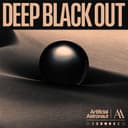
This album is a band called Artificial Astronaut.
And the album is called Deep Blackout, released in 2022. This is the second album from this Akron, Ohio group that formed during COVID. They have a very modern sound, powerful and heavy but clean. I found out about these guys because the guitarist in this band, Michael Socrates, is the guitarist in one of my favorite instrumental post-rock bands, If These Trees Could Talk. Does he use the Socratic method?
He might.
This band has epic vocals.
That's a good answer.
Yes, I said vocals.
Provided by Ian Kolarovsky, who's primarily been in cover bands in the Ohio rock scene.
You can tell that he and the band have numerous diverse influences, including Tool and other heavy 90s and 2000s bands, as well as alt-rock bands.
There are also stylistic nods to Australian bands like Carnival and Dead Letter Circus. The drumming is tight and is provided by Michael Socrates' brother, Matt. In my opinion, this group is definitely worth a listen if you like semi-heavy to heavy rock with a modern sound and soaring vocals. Artificial Astronaut has also just released a new album that is just under 30 minutes in length titled When the Familiar Ends.
And you can find them on Bandcamp.com. So again, Artificial Astronaut, Deep Blackout. I like their first album as well, but I chose this album as kind of an example if people are interested in getting into the band or want to check them out. Cool. I want to check it out. Well, I'm in just because of the ties to If These Trees Could Talk. Yeah.
The guitar playing is very solid and just it's rocking. Like you'll like it. Yeah, you say post-rock from Ohio. It's like, okay, there's really one band from Ohio that I know. Well, wait a minute because I think, who is it? Hold on. The End of the Ocean might be from Ohio. I don't know. Oh, okay. I got a Google machine. I'll look it up. Yeah. Remember that? Remember back in the day when they would say, use your Google
Google machine.
As opposed to just saying, use your desktop.
I gotta go over your back.
We're old enough to remember that.
Remember, use your Google machine.
Use your Google machine.
Well, you know, John, it still sticks in my head because they used to use it a lot on the, yeah, they're from Columbus.
They used to.
Okay.
The announcers for the A's used to call it the Google machine and, you know, well into the last few weeks kind of thing.
Who was announcing? Glenn Kuyper, who... Is Dwayne Kuyper's brother. And is no longer important. I know, I know. It's a shame. Yeah, because I don't... Yeah. I don't think that was correct. I had... I'll be blunt. I mean, in this matters, I had African-American friends who were huge A's fans. They were like, that's BS, dude. They should have let him stay. Just... Yeah.
He had a Freudian slip. I thought that's, and I'm not giving anyone pass, but I always felt that that's because he was so contrite afterwards. At least I thought he was. He said it because he was trying so hard not to say it. Not that it's part of his lexicon, just that it was just sort of like, boy, that would be, he'd screw up, you know what I mean? Yeah. And it happened so fast that Dallas Brayden, who was sitting next to him, didn't even notice it. They just kept going. I don't know. I'm so not watching A's broadcast that I don't even know what I'm saying.
who's announcing it.
Well, yeah, they've lost all their, not lost, but, you know, all the greats, Bill King. Didn't Greg Papa or one of the Papa brothers do them for a while, too?
Mm-hmm. Yeah.
But, yeah, they're a little bit of this.
Bay Area's always had good announcers for baseball on both sides.
Holy Toledo.
Yep.
John, what's your novel?
So, I didn't know where to go first because I was waiting to see what Jay would do. Uh-oh. And then I don't want to steal something from George in case he decides, but I will do it the second time around if he doesn't do it this time. I won't. So, I'm going to go with a band I've talked about a number of times, but I just feel they're so underrated or not maybe thought of as great as they really were. And that's the band Talks.
And I'm gonna go with their third album, The Color of Spring. It's funny. I did go, I should do Talk Talk, just to fuck with John. No, I'd be really happy if he did, to be honest with you, because I really feel like they kind of get passed over a little, because people remember a couple songs. You know, everyone remembers them because of No Doubt singing It's My Life. Yeah. And it's like, okay, that's cool. I'm glad you covered them. But wow, why are you more famous than them now?
It's kind of like Tommy James
and the Shondells. Why are they not in the Rock and Roll Hall of Fame
when everyone else is covering their songs
and going into the Rock and Roll Hall of Fame?
Yeah.
Billy Idol, Joan Jett, looking at you.
So, I mean, they got it.
What's the Jones? Is that Crimson and Clover?
Crimson and Clover.
Yeah.
That's a great song, too.
Yeah.
So, I went with this because I really think that
Talk Talk was a really instrumental band
that never really stayed in a lane for long.
So their first two albums were their kind of, you know, synth pop, art pop, you know, new wave, sophista pop or whatever they used to call that stuff. I don't even know what that crap is. They were just a very sophisticated new wave band, to put it that way, and with a lot of synth wave in their sound. You know, so they had the songs like Talk Talk and It's My Life off the first two albums. But on the third album, they kind of started incorporating more organic sounds, got a little jazzier, you know, and a little more art rockish.
And this album, I thought, really stood out because this is the bridge album between their new wave period and the period where they got into post-rock. Many people have attributed them as one of the early bands, if not the earliest band that kind of started the post-rock movement. I wouldn't say they're post-rock now based on what the bands are doing. You never say that anymore. Wherever a subgenre goes, it's never what it started out as, it seems like.
But them and the band slint, they get all the credit as the two bands that really started this kind of new wave of music. Again, kind of funny that they were a new wave band to begin with. So this one has, the song that's big on this is Life's What You Make It, which I'm sure you guys have heard this song somewhere down the line. But I really just think that this is now, if people want to get what the 80s was about without the bands that stayed in the same lane,
all the time. So there were some bands, you guys remember, in the 80s, they did the same New Wave shit album after album after album. Before you go too far, what encompasses New Wave to you? And I'm serious about that because I don't know that I've ever seen that term defined. It isn't. It's really just, what, post-punk? Basically, that's it. Okay. But poppy, you know, it's a little edgier, it's a little darker, but it's not as aggressive. Okay. That helps, actually, a lot.
I've never heard it so simply defined and that helps a lot. Google says, New Wave is a broad genre of rock and pop music that emerged in the late 70s and early 80s, evolving from punk rock. It traded raw, aggressive punk elements for more melodic, radio-friendly pop hooks and frequently incorporated synthesizers, ska, and funk influences. See, that's the interest. Okay, that's why I ask because to me, the most visible parts of the New Wave movement, I usually, what the last part of George
a sentence there. And then I would hear people like Elvis Costello throw in there and they'd think, well, now what is this genre? I don't know it. You know what I mean? I can't find my Twitter in it. Because he's post-punk. Basically, yeah. Yeah, and I mean, really. It makes more sense. To hear the word post-punk, that's really what I needed. But also, you've got to factor in Bully was a huge influence on it when he did his Berlin trilogy, which is really only two albums in Berlin or two and a half.
But those albums, Low, Heroes, and Lodger, were so influential on a lot of these bands. They were taking stuff like that also, where he was getting real art-rocky and weird, and then they were taking that post-punk sound. And yeah, I don't think people realize how big the reggae ska thing was for some of these bands. Like the police, that's all their stuff is. Basically. It's all post-punk. They recorded in Jamaica, even. Yeah, I mean, even The Clash started doing that stuff at some point. And that was not.
Well, yeah, because then they just, that big audio dynamite just showed up, which was more where it should have gone to begin with, right? You know, so. This is an episode here, just so you know. We might have to do a new wave episode because I could use my education myself. I'm down. Let's do it. And I know I have things in it that I love, so there's that, but we should, let's put this one on the shelf for, I mean. I mean, we've talked about Tears for Fears.
on earlier episode, they were part of the scene too. So, but to get back to, and I like your idea, Jay, because I could, there's all kinds of bands. Can I ask one more question? Sure. Is British, is New Wave primarily British? No. No. So the movement is not, it's a worldwide movement, whoever fell into it. Okay. But I think most of those bands are, probably they had some of the bigger bands, obviously, came from England, don't you think? This is so interesting because I'm so overly educated about stuff and the New Wave has always been weird. I mean, the cars are New Wave.
They are, yeah. I mean, Missing Pern was it. You could say Debo was New Wave. They are. Yeah, definitely. Okay. All right. This is helpful, and yet I'm even more confused now, so. Well, that's the whole point. Yeah. I mean, it was hard to describe a lot of those bands. Like, it was like, okay, you know, some of it was, I think, the fact that they're using these synthesizers and there's a certain sound, but then there was also, like, a style, which I think,
You know, everybody is kind of mentioned here in terms of like post-punk, ska, reggae influences that kind of permeated some of that stuff. But then, you know, you've got Flock of Seagulls. That was very melodic. And, you know, I would consider them new wave. But like... Well, it's interesting too because there was also a big turnover in technology at that time too. So... Sure. That makes it even more confusing. John, I'm stepping all over your record. That's fine. Just to add real quick...
Signals by Rush is considered new wave. I mean, well, it is. I know, it's just funny. It is funny to hear that, but I mean, the band Saga, their album Worlds Apart is considered somewhat new wave, yet they were a prog band, you know, so it's an umbrella expression or umbrella description, I should say. Anyway, just back to the album, I would check out this album from Talk Talk. The Color of Spring came out in 1986. This led to, like I said,
to their post-rock stuff that at the time got sort of panned and now it's revered. When you talk to any of the post-rock big names, they point back to Talk Talk a lot for where they got the inspiration because of how sparse they made their sound from where they came from. So leave it at that. Talk Talk. Talk Talk. Yeah. But you're like, man, I keep getting that little red squiggly line into the second talk and I write it in Word.
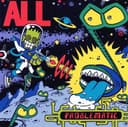
Yeah. Alrighty. So my first album is not post-punk. It is in fact punk. And this is the band All, A-L-L, and their album from 2000. It's hard to say just 2000. From 2000, Problematic. And alas, while the band hasn't technically broken up,
They have not put out an album in 26 years. But let me give you a little background here. All, now, backing up, back up, insert back up sound here. Okay. There's another band that you've probably heard of, but maybe not, another punk band by the name of The Descendants. Mm-hmm. Okay. I know. And The Descendants were Bill, Carl, Stephen, and the singer Milo.
And Milo was all like, I like biochemistry. I'm going to go do that for a while. And so when Milo was not around. Sounds like a shitty singer. You know what? I'm glad we got rid of him. Sorry, I couldn't help it. When Milo wasn't around, they brought in another singer. I forget his name now, but eventually they replaced that guy with a guy named Chad Price. And so to me, Chad Price is
So same band, different singer. And as I understand it, because I looked it up the other day, because I was like, man, why has it been 26 years since there's been an all album if they haven't broken up? Well, at some point in the early aughts, I believe, Milo was like, hey, guys, I'm ready to commit to the band full time now. And... Was that the biochemist? Huh? Was that the biochemist? Oh, yeah, yes, yes.
And apparently since the Descendants are the more well-known band, bring in more dinero, they haven't gone back and done any all stuff because Milo's been around to do Descendants. And I'm glad for that because I did get to see them play at barbecue a number of years ago. Descendants, that is. But honestly, well, I love both bands. If you like the Descendants, you really should check out their albums.
Everything Sucks and Cool To Be You. Great albums. But for all, Problematic is one of my favorites. Mass Nerder is another good album from all. But I mean, this is just straight up like punk rock. Not like Ramones punk rock. A little more 90s punk. Not Green Day, but you know, Green Day adjacent anyway.
Is it a little bit more produced like that? It's well produced, yes. It's not like low production. Gotcha. It's good stuff. It's very catchy. So is this basically the group of guys then? So was the Descendants basically all minus that one guy? Yeah. It's like both bands are the same three core musicians with different singers. All right. Well, you got your band back then. And the songs are just catchy.
is I'll get out. Some of the songs include Carry You, which is really nice on it. The chorus is I Carry You With Me. So it's a little sentimental, you know. Stupid Kind of Love is an extremely apropos, not apropos. Stupid Kind of Love is a very realistic song. Better Than That, that's another good one.
You know, you just referred, you said that their songs were catchy as All Get Up, and that should have been the name of their first record. It should have been All, and the album title Get Up. I should really be in marketing, I'm telling you. Yeah, I think so. Yeah. Well, now that your pool gig is off, you got to get something else going, right? I tell you, it's really hard to find anything online about a band named All.
Dude, I Googled them when you started talking and you got, it's not, yeah. Yeah. I'm like, oh, I want to see if I can find some all shirts. Google all shirts. Yeah. You don't get all shirts. You get all the shirts. You can say all band. You can say all band shirts and you still just get band shirts. It's really difficult to find this band. That's probably why they haven't done anything because it's like, yeah, we picked the wrong name here. Yeah. So,
Love these guys. If you like punk rock and you don't somehow know all, you should definitely check them out. And with that, I will kick it back to Jay. I've got several that are pretty visible, but I'm going to go with one that will be a little less visible perhaps to people listening to this show. So this is probably the most obscure, even though I don't think you guys will find it obscure. Johnny Winter is this really great guitar player,
He's a blues guitar player. I should talk about him in the past tense. He's died some time back now. But he did some kind of rock blues records in the 70s. And he has one called Still Alive and Well that is so worth checking out. It opens with such a world under rift that you can put it on and you're going to know in five seconds if you're going to like that record or not. And it's sort of like, I mean, it's definitely more rock than blues.
But it's still blues all the way because Johnny just goes off and does this crazy stuff. And then if you do nothing else, look at the cover of this record because it's kind of hilarious. He's albino, if you don't know, as was his brother Edgar. But he also looks like he may partake of any number of drugs before the photo shoot. And then to the point, I don't have the record in front of me. But as I recall in the liner notes and the thank yous,
One of the people in the liner notes is the, what do they call them? The pharmaceutical guru or something like that for the brand. So that's not the term used, but it's not far off of that. Anyway, it's just, I mean, wide open, you know, unleaded gas, on fire, kind of hard, rocky blue stuff. And it's really worth your time. He's sort of like Ted Nugent in the way.
And I'm forgiving Ted Nugent a lot these days for some reason just because I always would like to talk about him musically. And what I mean is he's an amazing entire player but not a great singer. You can say the same thing about Hendrix. So you're going to have to put up with that a little bit. But I like him. I like the way he sings. I'm just saying it's not him and Robert Plant. Anyway, Johnny Winner still alive and well. Super cool hard rock blues record from the 70s. That is also just...
Part of my theme here, by the way, is guitar players are like records that maybe are a little in a weird place in their catalog. Like, that's a little off. That's over here. And he wasn't always as rock as he was on this record. Totally worth people's time. I hope they'll check it out. Are any of these guitar players alive? Yes. Two of them are. Oh, all right. Good for them.
Also, if you ever just want to see something fun, actually it might be hard to find now because I think it got kind of like copyright slapped or something. But I don't know if you guys remember, but I want to say it was in the 80s. There was a Bob Dylan 40th birthday party. Got that a long time ago. At Madison Square Garden. Great performances on it and you can get a record of it. Johnny Winter does Highway 61 Revisited and it just tears the roof off of Madison Square Garden. Best performance of the night. Nice. Check out Johnny Winter.
In general, if you can only take too much of the blues, get yourself a copy of Still Alive and Well, you can still listen to yourself a rock record and hear an amazing guitar player. I don't get enough blues. Thanks, Jay. Johnny is dead, right? He is, yes. Okay. Thanks, Jay, because actually that's, you know, I'm not much of a blues guy. Like, I like some, but like I don't like it soaking through everything that is
part of it. And so that's intriguing to me. I think you'll be able to deal with it, man. And I must say, I first heard this record, a friend of mine had it, and it was his dad's collection. And I heard it in the 80s, where if it wasn't distorted, I wasn't interested. So it might work for you. I'm going to put a link here to the cover. Oh, yeah, I just looked it up. Did you? Yeah. The best cover ever. Yeah, he definitely, like, he kind of looks like he's, you know,
looking off in the distance in a kind of highway. I don't know. Well, keep in mind, Albinism, if that's how you say it, comes with, I think, always with eyesight problems. And so he may be focusing on the middle distance there. It's clear that, yeah, it's not sure where he's looking, actually. Okay.
Well, so my next one, so Jay, you mentioned that all of yours, like you've got this theme of like guitar players. And I think you could probably say that about my list as well, because honestly, like that's the kind of like now that I'm looking at it all. And based on what you just said, it's like, yeah, that's pretty much my whole thing here.
And my next one is a guitarist you probably guys all know, but maybe may not be familiar with this band. And the band is called Gamma. And this album is called Gamma One, released in 1979. And I have to give a shout out to my friend David Reynolds, who was on me for a long time to check this band out. And I finally listened and was hooked.
So after Montrose broke up in 1977, guitarist Ronnie Montrose put out a solo album and then formed this band with Scottish singer Davey Patterson. Other band members on the first Gamma album include Montrose alumni Jim Alcivar on synths and Alan Fitzgerald on bass. They also had Skip Gillette on drums for just this album. I don't know why this wasn't more popular than it was because the songs rock and
Patterson's vocals are excellent. He at times sounds like a mix of Paul Rogers, Steve Marriott, and Lou Graham rolled into one. Most of the songs on this album are... Oh, dude, that's quite a pedigree. I'm sorry to interrupt you. Oh, yeah. Those are some big voices. That's some kind of doobie. Yeah. You got to listen to this guy. Davey Patterson had great vocals, and the stuff on Gamma, Gamma 1, Gamma 2, which I like both of those albums a whole lot.
And in fact, it was kind of hard for me to pick one, but I picked this one. He does. At times he sounds, he has a Paul Rogers sound. Sometimes he sounds like Lou Graham. Sometimes he's got a Steve Marriott sound. Most of the songs on this album are originals, but they do a cover of a Holly song from the 60s called I'm Alive. And I like the Gamma version better than the original recording. They modernized it and gave it a better guitar solo.
Ronnie Montrose is such a tasteful guitarist that there are some and there are some cool riffs and solos on this album to include one instrumental track called Solar Heat. If you like free, bad company, foreigner or late 70s hard rock, I think you'll like Gamma. Was Ronnie Montrose just like his own worst enemy in all kids there? I think so. I, you know, I don't know because like this, this should have been huge. Like I'm embarrassed.
I don't know it. So I'm checking this out for sure. Yeah, when you listen to this, Jay, I think you're going to like it a lot because it's just, I mean, it's got a very late 70s sound, like from a hard rock kind of perspective. But there's a little bit of, there's some synth and there's some, you know, some of that kind of stuff on it. But I just really like what they're doing. And I just, I know they toured.
And there are some live recordings of some of this stuff. But I don't really remember hearing this. And I don't remember it being very big. And I just don't understand why it wasn't. Because to me, this stuff is really good. And Davey Patterson, what a great vocalist that guy was. I mean, he's still around. Did you want to do anything else? Or was this it for him? This was kind of it. Like, he did some stuff. Well, he played with...
I can't remember what the name of the album was, but there was a collab with him and Shanker sometime in the 90s, I think. Okay, I'm interested. But anyway, like, yeah, so Gamma, Gamma 1, released 1979. Did you say they only had two? Four. No, they've actually, they had, there were four albums and a live album.
The first two, maybe three, were kind of like in quick succession. The fourth album came later, and then Gamma, it's called Gamma 5, but it's basically a live album of a tour that took place between 79 and 80, so it's kind of not really a fifth Gamma album, if you will. So anyway, there were four Gamma albums.
I think the best albums are one and two. There's a couple of tracks on three that I like, and I don't know. I haven't listened to four enough to really know if there's much there. Dude. Okay. So you've got me looking here. First of all, I didn't know this existed, and I'm going to full up, completely just confess that I just learned that Ronnie Montrose was a session guy, and I had no idea the amount of stuff he's on. He's on Van Morrison's Tupelo Honey record.
Yeah.
He's on a Herbie Hancock record.
He's on a Boz Skaggs record.
I was surprised to learn that Alan Fitzgerald played keyboards for Van Halen on their tours in the 90s.
That's crazy.
Oh, by the way, for you Van Halen fans, there's this new thing that I've bumped into on YouTube.
Just go to YouTube and search the Van Halen Chronicles.
And there is somebody that has got a hold of all of this footage from the 70s tours and stuff. And it's just them backstage at Madison Garden talking and stuff. Have you seen this, John? Not yet, but I know the site. It's crazy, this stuff that's on YouTube that I've seen lately. It keeps showing up in my feed. And it's like just them hanging out. I mean, and it's also 1978. And they've usually got a couple tracks from that show. It's fantastic footage I've never seen before.
It's almost more fun than performances. Yeah. Because it's just them hanging and talking. Right. 40 minutes of it. You know? Anyway. Excellent. Well, I will tell you, I knew who Gamma was growing up because Gamma was from San Francisco. And all those musicians you mentioned were in the Bay Area that Montrose played with. And a little more tidbit about Alan Fitzgerald. He's known for being the keyboardist in Sammy Hagar's
He was also a founding member of Night Ranger and keyboards for them for a long time. But he also played bass. So. Yeah. Yeah. I knew John. I knew you would know these guys because like I said, you know, first of all, Montrose with Sammy and then Sammy Hagar's band had a number of these guys. Yeah. But he replaced the Electric Church in Montrose when he went and played with Sammy. So.
Jay, as you know, from living in the Bay Area, there's a certain kind of weird pride there about, well, we're from the Bay Area and the rest of the world can... It's like the Seattle thing that they adopted at some point. It was already in San Francisco long before the whole grunge scene. And Seattle has a great scene. I'm not knocking it. It's just funny how they got all this credit. But I'm like, you know, the Bay Area has been like that forever. All the way back to those hippies, you know, when the hippies came in.
That's right.
in their crunchy grooves.
If you're going to San Francisco.
Yeah.
Don't say San Fran.
No.
Don't say Frisco.
There is a Frisco.
It's in Texas.
There is no Frisco in California.
So how do you feel then
about the sandwich shop here in Frederick that is, it's based or in tribute to San Francisco and it's called AKA Frisco's. I call that a marketing ploy. Especially since it says Frisco and... Jay, tell them. You don't say that out there. You don't say that. I make good sandwiches though. I know,
People out there will say, oh yeah, you do. You weren't born there. Okay, pal. You moved there and you've been there for two years. That's why you're saying that. Maybe they're from there and they moved here. All their sandwiches are like named after things like. Well, then you know what that is? That's them. Lombard. These dumbass East Coasters won't know any different. Yeah. That's awesome. Hey, if it's a good sandwich, I don't care. I just, I would walk in and say, really? Yeah, it's just the Frisco thing sends the hackles up for people.
Yeah, I don't know. Anyway, all right. So my turn? Nope. Ah. Well, George, I'm going to go here. You're more than welcome to jump in if you'd like. As I have a feeling, you've been listening to this musician a little bit lately. So I'm going to go with a musician I think is criminally underrated. How? He is not in the Rock and Roll Hall of Fame yet.
No, that was my preaching, preaching. Testify. Testify, yes. This pains me to think that this is just one of so many musicians that are not in the Rock and Roll Hall of Fame. And he's just another one that's not going in. And when I see all these current bands going in, and I'm thinking, man, success from one album.
Anyway, so, but the album I chose is not his most popular album because I didn't want to do that. I wanted to kind of go elsewhere. So I'm referring to Joe Jackson. If you are familiar with who that is, and the album I wanted to talk about is Body and Soul, which came out in 1984, which is the album after Night and Day, which is his biggest album. That's the album that broke him. Although, Booksharp was still,
big. But night and day is where he got real big. Because he had the videos in MTV. What I did not know is that after that album, he's like, no more videos. He said, well, now retrospect, maybe not the best idea. But he was standing to his principles, which he's always done his whole career. Whether you like all his albums or not, if you're a fan, he does whatever he wants to do, whatever inspires him. And he's
all over the map. Starting out, Jay, again, post-punk, new wave, Joe Jackson's first George three albums, I'd say. You know, because I wouldn't count the Jump and Jive. That's the whole cover thing of... But I need you to define me for him better than that because he's a mystery to me. There's always been people who I consider to be sort of... That's why I'm bringing him up....art intellectual music fans who like him, and I've never dug any deeper than his hits because I never...
What is he a piano man? I mean, what's his deal? He's so good. Yeah, he plays piano and he plays saxophone. But his main thing is he's on his piano and keyboards and synths. He used to front the band. He had other people playing for him. But as he's gotten older, now he's sitting down and playing. And he's got this five-piece band, including himself, that is so tight. When you say in the pocket, you're usually referring to the bass and drums.
The whole band is in the pocket, man. Nobody misses a beat when you see them. But he's all over. His first two albums had very much of a punk vibe with the reggae ska. But then it had kind of the, I'm not saying he sounded like the cars, but then he had those kind of pop melodies, though. And so then he ventures into big band jazz. Then he does, Night and Day becomes his kind of alt rock, kind of pop rock.
jazzy adult contemporary type stuff just knocks out of the park with um some of the songs uh stepping out obviously being the big one there can you remind me what his big hit is he's got the two biggest ones are stepping out and is she really going out with him oh well those are two very different sounding songs i didn't know that yeah look sharp sunday paper papers it's different for girls
Yeah.
God, where else?
And if you've ever heard Anthrax,
they did a cover of Got the Time,
which is a pretty punky song to begin with.
Yeah.
I mean, and he also inspired Anthrax to write a song with the same title,
but a different song called I'm the Man.
Mm-hmm.
You know, so.
Yeah.
You were saying, Tara?
Is that true?
Is everything you're saying true?
Or are you being?
Oh, I mean, yeah, I'm guessing.
So, Anthrax liked him. And so I'm guessing that they were probably, hey, we can do a song call on the band too. Slightly different. I'm so bad I should be in detention. You were saying, TR? Oh, I just, I really like the Tucker soundtrack, which again was like kind of a departure for him. I mean, it was like big band 40s kind of, you know, thing. He's trained. He went to the London version of Juilliard and Berklee, which is very prestigious there.
So he's actually a trained musician
But he likes
Being out in front of a band and playing heavy stuff, you know
But he has several symphonies that he's written
Instrumental stuff
He's got
Who is that? I'm trying to think of the name of the artist
The jazz artist that he did a tribute album to
I'm drawing a blank right now
But he's done tribute albums
He did like his Jump and Jive
Which is all that 40s
Bop music and everything. Duke Ellington. Thank you. I couldn't remember. It's called Duke, isn't it? The Duke, yeah. The Duke, yeah. I couldn't remember. Thank you. So he's all over, but he's back to doing his kind of, I'd say the new album's kind of like his late 80s stuff a little bit. Laughter and Lust, you know, right around there. Lace of Glory, it's a little bit like that. And it's a little bit of edgy sound, but no heavy guitars or anything. It's called Hope and Fury. Yeah.
Which is, you have to know the whole story behind it. Which he told us. But I chose Body and Soul because it's the next album after Night and Day. And I think it's just as good of an album, just slightly different. The big song off of this is you can't always get what you want until you know what you want. Which is, at the time, that's a jazz song. Jazz rock song. Be My Number Two, which is another one that was big off that album. Then he's got other songs you may not think of.
like Cha Cha Loco, which is Latin infused. He's very big on Latin percussion in his music. So there's a lot of, a lot of congas and a lot of like kind of grooving and jamming and the drummer's in the pocket and this dude's just going crazy on his vibraphone. I think he had a vibraphone or something like that or a xylophone or something for the show when we saw him. Anyway, I just think this is a great album. If you're going to venture, this is the period where he,
moves away from the post-punk stuff and gets into more contemporary, jazzy. I don't like to use that word adult music because it's so stupid. It's like, you know, adults listen to this stuff too. I think it just means that it's trying to gear it towards a radio station more than anything else. I'm going to try it for you and George. Oh, you got it. And not that I've tried before. It's funny because there are two artists, there's probably a lot of artists like this, where I have just literally
I've really seen the surface of them. You know, nothing, I've done no investigation whatsoever. And the other one that comes to mind is Todd Rundgren. And people who, I always hear people talk about Todd Rundgren the way they talk about, what's his name, Joe Jackson? That they're like so dedicated and they're like, trust me, man, this guy's a genius. And I've always sort of been like, I mean, I'll admit that at some point they would say, I love Todd Rundgren. And I'd be like, why? But I don't know him, you know, and I don't know Joe Jackson. But he,
He brings this kind of dedication that you two kind of have. Not dedication, but you know what I mean. Yeah. People seem to really appreciate his career, and the word genius is sometimes thrown around. So I think I'm going to stick my hand in this pie and see what I think of it. I would recommend, do you have Spotify? Yeah. I would recommend go and just click on his name and hit shuffle. Shuffle the whole catalog. I did that recently, and it was phenomenal. Okay.
Like, that's a great way to try. And I'm coming in this completely open-minded. I don't not like him. I just don't know him, you know? I will say then after that, go back and listen to Night and Day because I'm telling you right now, you're going to think stepping out, oh, I know what this is all about. You have no idea. It's just not what you expect, especially when you hear songs like, he has a song called Cancer, which that lyric in that song, you know, everything gives you cancer.
I mean, you're just like, and you hear that kind of snarly voice he has when he sings it. I mean, the song, George, you and I were talking about, we're real men. Yeah. When you look at, and I don't like bringing this stuff up because I don't care. I don't particularly seek politics in my music. I really don't. I don't subscribe to, well, all rock is based on politics. That's crap. I've said this before on other podcasts. Many have said it here. If you believe that, then go listen to the Lemon Song from Led Zeppelin. Right? Hold on.
put on a white snake album for their first eight albums. Right. And you'll hear it's not always about that, but he gets a pass because he kind of hits it from all different angles. Yeah. You know, you hear the lyrics to real men and then you hear some of the lyrics on this new album. You're like, wait, is this the same guy? I mean, he's just multifaceted. Yeah. You know, it's funny. I, I had an experience recently and I want to, and this is why I'm saying like, I'd love to give this a try. Um,
And it's because I can be dismissive of stuff from a distance. And plus, there's just so much, you know, there's so many things to listen to and so many things that have that I've caught, but there's things that I've passed by. But here's a weird one for you. I was watching. Did you guys watch Project Hail Mary? Not yet. Just read the book. I'm actually watching it for the second time, kind of over slowly, like I've watched 20 minutes last night or something. And there's this really great scene where they're getting ready and they're going to like they have to launch to save the planet.
And there's this kind of harsh Middle Eastern woman who's in charge of the project. And she appears to have sort of no soul. But you find out that she does. But that's beside the point. But they're having this kind of goodbye party on this aircraft carrier. And Ryan Gosling kind of talks her and they're loosening up a little bit. And she goes up and she sings a song. And the song is the perfect song to sing to a bunch of astronauts who are getting ready to leave the planet for the last time. And it's this beautiful song. And I was like, God, this is a great song.
Who is this song? I gotta look it up. So I looked it up and it's Harry Styles. I don't know anything about Harry Styles. I know he's kind of this weird pop phenomenon, but this is the most Pink Floyd-ish, depressing, cool, vibe-ish song I've heard in a while. So you just never know where you're going to find something. I've not paid attention to this dude. I probably won't. But the song's called Sign of the Times. It's a great, great song. So I love being corrected. You know what I mean?
Well, Jay, I'll tell you just real quick, and George, we'll move to you now. I corrected myself on Joe Jackson. When Steppin' Out came, I was like, oh, come on, man. This is crap. I mean, look at this guy. Steppin' Out. I'm like, I want my maiden. I want my priest. I want my Black Sabbath. Then I'm in my friend's car, and this is back when we jammed three of us in a truck, like a tiny little Toyota truck, in those bucket seats. Three of us just sitting there all jammed. He goes, dude, check out this really cool tape I got.
and all of a sudden look sharp starts. I'm like, oh my god, this is blowing my mind. Not knowing. That album came out like three years prior to stepping out at night and day. And when I got back, I was like, huh. Hmm. Why do I feel stupid? Well, I like, by the way, I also like the cleverness of the fact that you mentioned this record. You said this one, and then he did night and day, and he said it was very different. That's a great title for a record that's very different than the last one. Yeah. Yeah. Yeah.
I chose Body and Soul, because I think they're kind of sister albums, they're companion albums. I was deeply intrigued. In 2023, he did an album called What a Racket. I've only heard one of the songs so far, but I got to go back and listen to it. This is one of the things I heard when I just put the whole catalog on mix. Assuming the rest of the album is like this song, it sounds like a musical.
It's a stage show tunes thing. It's a show tune kind of thing. And so, you know, he's British and he's singing like he's in a British musical. And it was just really cool. And different from everything else, you know. This is the guy in the checkered suit with the top hat and the cane type musical. Not the, you know, oh, what a beautiful morning. It's like, oh, shut that Oklahoma crap off. Not that. This is that kind of almost vaudeville show tuning type stuff. Yeah, it's good.
Yeah, and they would be doing the thing where people can't see, but you know, they'd do the thing where they'd shake their body walking across the stage and everything. Yeah. Yeah. You know, it's interesting because here's what you've done for me just now, which was I think I saw him, I dismissed him as a kind of 80s pop guy or whatever, but you've kind of turned him into an Elvis Costello guy to me all of a sudden. He's a contemporary. He gets lumped in with him. I didn't know that. Okay. Graham Parker is the other one, isn't it, George? I think we were talking. Yeah.
Before the show? Yeah. Those three were kind of all contemporaries. Yeah. I've been doing a huge Elvis Costello deep dive. I don't know if I mentioned that last time, but. Anything you're liking in particular? Well, again, it's been on random. I really like Spike. It's great. They're called Satellite. That's such a good song. Yeah. What else? Sorry, I got to pull it up because. I like, and I'm glad we're doing this real quick because I like
I like him a lot and I like like Imperial Bedroom
was one of my favorites and
there was a period there where he did those
things which were so good like he had like
four or five records in a row Armed Forces
yeah the first couple
that were more like
punky post-punk
My Aim is True this year's model
those are really good
yeah Imperial Bedroom is interesting
great to check out a really
weird record he's got called the Juliet
Letters and it's
a quartet
Classical Quartet and every song is about a letter. It's like one of them is a Dear John letter, one of them is this, that. But he sings like a trumpet. The guy's got an amazing voice. And then there's this great period around the time of a record called All This Useless Beauty where he just got these kind of thoughtful... He's kind of a gem, man. You'll probably, even if you don't like Joe Jackson's stuff, you'll probably appreciate him more because he's got that kind of... He even develops even more. He'll stick with something for a little bit.
and he moves on and he comes back. He goes over here. He kind of bounces. I love hearing this stuff. I mean, this is why I hope people listen to the show. And I'm listening to the show right now. And I'm just like, this is great because I've always kind of wondered what was that guy's shtick. You know, and I know I could have just pushed the button on the Google machine, as they say, but I just never did. He doesn't have a shtick. That's what's, that's what it is. Yeah. But stick around, kid. There'll be more later. Yeah. In order to do that, let's, let's go to George.
All right. So I am moving on from punk rock to something completely different. And this is Warren Zevon and his 2003 final album, The Wind. Yeah. I'm a massive Warren Zevon fan. Another from the he doesn't get nearly as much credit as he should column. You know, a lot of people know Werewolves of London.
maybe Lawyer's Guns and Money, but that's about it, right? Yeah. But let me tell you, he's got a ton of good stuff. Oh, Excitable Boy, you might know that one too. Carmelita might have been kind of a good one. Oh yeah, Carmelita, that's a beautiful one. And it's been covered a lot. Yeah. And he's got some funny ones too, like Mr. Bad Example, really good song. That's probably my favorite. I went through a huge phase. Mr. Bad Example is probably my favorite Warren Zeevon record.
Such a great title for us. It really is. So the wind was almost entirely written as a farewell because he knew he was dying. In August of 2002, he was diagnosed with pleural mesothelioma, which was apparently a fancy way of saying lung cancer. And so between August 2002 and August 2003, he wrote a letter of the wind.
and recorded this album. A couple of the songs he'd already started before he got the news, but most of them were after. And it was released in August 2003, and he died less than two weeks after the release. He was Bowie before Bowie. Yeah. No, I'm not making light of it. I'm saying he basically did what Bowie did. Well, he reversed it a little bit. Bowie died right before it came out, and Zeevan died right after.
came out. No, but the idea that you put out this great work, knowing full well this is it. Yeah. Yeah. And just because of the album and what it was, he got a lot of friends to appear on this album with him. And you might have heard of a few of them. Bruce Springsteen. What? Don Henley. Jackson Brown. Is Don Henley really anybody's friend, though? Yeah. Sorry.
They might have to pay him, but you know. I'm sorry. I'm sorry. Emmylou Harris, Tom Petty, Dwight Yoakam, Joe Walsh, Timothy B. Schmidt, Billy Bob Thornton. A lot of people on this album with him. Grabbed a few big names. Yeah. And it's actually a pretty decent album, too. He, Dirty Life and Times, that's a good one. Disorder in the House. He did a cover of Knocking on Heaven's Door. How?
How poignant is that? Keep Me in Your Heart. That's just crushing. That's the hit. Yeah. And, you know, I was a fan before this came out, and I knew he was sick, and so when I, like, picked this up the day it came out, and I was like, oh, man, this is rough. And then, yeah, two weeks later, I'm like, oh, it's rougher. But,
Yeah. I mentioned this one because of the
sentimental value, but
honestly, I don't think you can go wrong
with anything. This is another one. I'd say just
throw him on random
and just listen to him because
it may be like the first
1969 album or whatever
might have a few stinkers on there,
but everything after that is pretty darn good.
I went through a phase, so I've
been down that road, and
he
You know, Letterman was a huge... Yeah, the sandwich thing. And he used to... That's exactly what I was going to bring up. But I remember I used to watch Letterman and he'd say, you know what I like doing, man? I like getting my car and put on a Warren Zevon record. He used to just talk about him. Are you familiar with... You must be. If you know his catalog well, do you know the Hindu Love God's record? Yeah, I did not. It was a while before I found that out. And that's like R.E.M. and...
And Warren Zivon? Yeah. Just doing like old bluesy standard type stuff, but hyping them up. I was working at a record store when that came out, and I had been a fan of his already, and I was just like, oh, R.E.M. is something I can put up with. Oh, I love R.E.M. I used to. I like the early stuff much more than the mid-period stuff. Like up to green, maybe. Mm-hmm. Yeah. So interesting, real quick, I was reading a comment as I was deep,
I was already a Joe Jackson fan going back to the, you know, after I realized it was him on Look Sharp in 1984. But reading some comments and somebody made it about him being in the Hall of Fame. Well, he's got some good stuff, but let's be honest. He hasn't had a hit since stepping out. And I'm like, one, that's not true. Two, that just proves that your view of being in the Rock and Roll Hall of Fame is that you have hit records as opposed to
I think it's interesting George you went with Warren Zevon after Joe Jackson two guys that are no people know those X number of songs we mentioned Elvis Costello who's probably got more songs known but their vast catalog yeah but he hasn't had hits since like that is such drastically different than what people think it is and that to me are the musicians I'm way more interested in than the hit machines hit machines are great the police are awesome for five albums
I probably listened to Sting's first solo more than I listened to police.
I would also say that I think Joe, I'm assuming Joe Jackson, I would say Warren Zevon and Elvis Costello.
If they have any hits, it was an accident.
You know what I mean?
Yeah, they certainly weren't trying to do that.
They were making art.
It's interesting.
I think it's in that one documentary when we were doing Rock Docs,
And it's the one about the Wadi Wachtel wrecking crew people. Immediate family. Immediate family. And don't they talk about Warren Zivon calling and saying, yeah, I've written, yeah, and we need to crank this out real quick and it's Werewolves of London. Yeah. Yeah. Yeah. It's awesome. These musicians are so awesome. Yeah. And so was Warren Zivon. That's a good, no, that's a good one, Jordan. Apparently he has a documentary too that I guess I haven't seen. I just,
Oh, really? Happened across that, yeah. Maybe I haven't. I've just forgotten because it was so long ago, but... I still have that channel. I'm still... It's like, you better watch it because I'm streaming that Rock Docs channel thing that I have. I'll look for that. I'll watch that if it's on there. You know, we talked about what is the... Not the King Biscuit flower, but what's... Is it Duncourishman? Duncourishman. There was a Warren Zeevon... Have you ever seen the Warren Zeevon one from like the 70s where they bring them out in hand?
because he's the excitable boy. It's the excitable boy tour. And yeah, it's good. King biscuit flower hour is so awesome. I love those. Yeah. Okay. Maybe I have seen this. It's called Warren Zevon, Keep Me In Your Heart, which as we just mentioned is the song. I'm going to go look for it. But it's also known as VH1 Inside Out Warren Zevon. It's behind the music. That's what I'm thinking.
It doesn't matter, I'll still watch it. So I may have seen it, and it was about the recording of this album. Oh, cool. Yeah. I know I don't, I'm one of those people who only knows a few songs, so I need to learn more. Yeah, you do. You do. All right. Jay, what do you got? Okay, still going along the lines of guitar players, and I think my theme is this, guitar players, but not the most obvious album you would choose to tell people about.
I think that's the first one other people would mention. I've mentioned before I'm on a, and I'm still stuck in this, this whole, to a certain extent, ZZ Top Trip lately. But so I'm going to choose a record of theirs from the late 70s called, I'm going to say Di Guelo because that's what everybody says. It probably is Di Guayo. It's a Mexican, it's a Spanish word. And then, and it, I never bothered to look it up, but I thought, you know, I should look that up.
I'm going to talk about this record. And it's basically, it's a word that denotes the slitting of the throat. But what it really means is there's a be a good call called bit, this word, this de guelo, and it means give no quarter. So they would give the book, and it means, you know, which I kind of like, because I guess what they're saying is this is sort of like the equivalent of Aerosmith's Night in the Ruts, you know what I mean? Which translates to right in the nuts. So I think that's what they were trying to say with this album. But I, and it's not,
like that it's not like that it's not an all out in your face whatever but
uh z step has this really cool so they did they did um their first three records were just like
straight up blues rock band with an edge because they like to go through big marshals and stuff like that
um and then they kind of got a little more experimental and started using a little sonic electronic influences and stuff
which kind of culminates in Eliminator. But right before Eliminator, this record came out, and it's the best mix of those two worlds. And the reason it matters to me as a guitar record, first of all, it's got, if you know Easy Top, it's got like Cheap Sunglasses is on there. I'm Bad, I'm Nationwide is on there. Thank You, it's like Sam and Dave, I think, cover is on there. Might not be Sam and Dave. You know, it's got a little list of
You know, undergrad's easy time. But I honestly think it's kind of a guitar playing master class for both the way the songs are constructed and then the weird tonal, multiple, multi-tonal selections. So that it's such a layered record. So each song will have maybe kind of like a Fender Blackface kind of jazzy sound on it and a Strat.
And then there'll be some really kind of overdriven kind of thing. And then something else that's kind of like processed, like Eliminator. And it is the most clever guitar record. It's such a good example of somebody having a great time writing good songs and then getting in the studio and going, can we maybe throw another track in there with another guitar sound on it? And it's just good fun from beginning to end. And I think it's kind of a master class in like getting a, you know,
a 12 string or there's no 12 string on it but like getting a
Stratocast like what I just mentioned the Blackface the Gibson the blah blah blah all in the same track
and layering it and making it almost like a movie soundtrack or something like that and it's just a work of genius I think it's probably their best record and it's definitely Bill and Gibbons high point he clearly spent a lot of time in the studio layering this thing and I only wish I could be so clever
And it's,
it's,
it's,
I think it's sort of a talked about record,
but not huge.
You know,
if you mentioned ZZ Top,
there might be three you'd mentioned first,
and this should be there.
This should be right up at the top.
So ZZ Top did well.
And if you,
if you,
if all you know about ZZ Top,
by the way,
is Sharp Driss Man,
then you don't know anything.
Yeah.
Then you know nothing,
John Snow.
Yeah.
Even though I really liked that song,
by the way,
and I think Eliminator is kind of a perfect record,
But do you stuff a favor? Go back and get ZZ Top's first album, which is titled ZZ Top's first album. And then just go on from there and at least, you know, stop off at Tres Sombres, which is probably the height of the first period. And there's a great one called Tejas. There's El Loco. I mean, they were a very complete band before Eliminator ever existed. And they were really, really good. So, but I'm going to tell you, if you like guitars, ZZ Top do well.
I've got two things to say. Two things to say. One, I recently learned how to play the riff from LaGrange. Oh, cool. And you can't stop. It's like you just keep playing it over and over and over. You can't stop. You can't stop playing it. You've got to play it over and over and over because it's so fun. And the second thing is ZZ Top is the new Rush. It must be mentioned every episode apparently. Well, the problem is that when I get obsessed with something,
It lasts for months at a time. So, and I'll be like, well, you know what ZZ Top did, but I mean, I, I, maybe I'm just about at the end of this one. Cause I'm literally getting like, I probably in the last four months and I, or two, no last two months have probably listened to at least three ZZ Top records a day. I'm not joking. Wow. Well, I, I listen to music when I exercise for one thing, but okay. So I've gotten really intimate with them. It's my third deep dive with these guys, but highly recommended. And I don't think oft.
Yeah.
So Jay, I'm glad you brought that up because
I didn't really get into ZZ Top until they did that six pack, which had their first six albums.
Yep.
And I bought that.
And I mean, I was familiar with their hits, but I hadn't bought any of their albums.
And that was a very nice little package where you could get all six of their first albums
in a reasonably priced two or three CD package. I can't remember what it was. And I put the first six albums on Maxell tapes to listen to with my Walkman or whatever. And I remember listening a lot to that album. But I don't know that I ever really actually listened to
it in the context of what you just said in terms of like guitar production and layering and other things. So I feel like I need to listen to it again because I listen to the songs and I like the songs, but I never really dug deep on what Billy Gibbons was doing guitar-wise on that album and the different
that I'm sure are happening.
Because I just kind of absorbed it as a whole.
And never really kind of picked it apart.
So I appreciate what you just said about listening to it as almost like a Guitar Clinic kind of album.
Well, it's funny, too.
My next selection, I'll explain when we get to it.
But I picked up my next selection again because of this record.
They're not very related records, but they're produced similarly and layered, similarly, blah, blah, blah. You get it. Like I said, it's a master class in layering. It's funny because I'm the same way. I listen to them all. I listen to the songs. I hear guitar solos I like and stuff. Something about this one just started slowly pulling me in. It's different than the rest of them, let's put it that way, as far as that level of production goes. Right. I don't think I caught that when I listened to it.
So I need to really kind of observe that a little better next time. I have a theory about it. I think it's the second one where he was like, you know, let's use some Fender guitars too. And so then he got creative because he had a whole bunch of different amps and a whole bunch of different guitars. And he was like, let's use every tone I can find. Yes. Yeah. I just have to remind Jay that I have met Billy and Dusty and you haven't.
Oh, man.
What was the circumstance?
They played the Preakness horse race in Baltimore.
Wow.
And a friend of mine, Band Charm City Devils, they also played Preakness.
And so their trailer was next to ZZ Topps.
And we came out and ZZ Topps came out and it was like, oh, I know those beers.
Wow.
So I have to tell you, I'll tell you a weird story.
And it's very brief, I promise.
but it was that I bought the meet and greet ZZ Top experience. Experience is probably not the word. They were playing at a casino in Sacramento or somewhere thereabouts, I can't recall. And I bought the tickets and then I went and I looked up because I just wanted to know what to expect. And there was this list of rules and it was don't talk to the band. I can't remember if it was a list of rules like that and I didn't go because I thought I don't want that to be
my experience. I literally had a chance to go get my picture taken with them, but I thought I don't want to just be this dipshit who walks into a thing where they're all standing there like cardboard and I'm not supposed to talk to them and then I leave. You know what I mean? I just didn't want them to be. So I literally turned down the chance to meet them because it wasn't under a circumstance I felt good about. Yeah, well, I'll tell you, you might not have gotten pictures. I was there shooting the show for my friends and I'm like, I lifted my camera and somebody went and pushed that camera down again.
and said no pictures. I was like, oh, right. I did get some like when they were on stage. Yeah. How long ago was that? About a million years. Oh, okay. I don't know. I mean. Recycler area or something like that. No. Back in the day. This was probably 15 years ago. Okay. Oh, okay. Wow. Maybe a little, maybe a little longer. To have stood next to him is enough for me, man. Nice job. Yeah. It was. Oh, no, I'm sure. I bet it was.
are the kind of guys I don't know what I would say. Yeah. Yeah. Right. Me no speaking. Me just stand there and pick up jaw. And you know you talked about Hendrix and they had a connection with Hendrix because I think they opened for him or they played with him like in the late 60s. Billy was his guitar tech guy for like one night and I think his band 13th Floor Elevator is open for them. Yeah. Okay. Yeah. Right.
Okay.
Well, my next selection is actually not an obscure band, but it's a semi-obscure album from a non-obscure band.
So I think, you know, most of you guys have heard of a band called Black Sabbath.
Who?
Black Crows?
Yes.
Released in 1990.
And I recently got the Black Sabbath Anno Domini box set from the library.
And this box has remasters of four of the five Tony Martin-era Black Sabbath albums that were made between 1989 and 1995.
I had never listened to any of these albums previously, and I was curious about what they sounded like because I really like Iommi's playing.
I was very pleasantly surprised.
Tony Martin's vocals are strong and he does an excellent job. He does at times remind me of Dio but obviously no one sounds like Dio. He also sounds a little like the lead vocalist from Sorcerer if you guys might know that band. While there are keyboards on this album there's no doubt that Iommi's riffs come first. These songs sound closest stylistically to the Dio Heaven and Hell incarnation of Black Sabbath.
And some sound like they could have usually gone on Dehumanizer. Cozy Powell is a killer drummer and sounds huge on this album. I definitely overlooked the Tony Martin Black Sabbath albums, but thankfully I've rectified that. If you like Dehumanizer style Black Sabbath, I think you'll like this very solid album.
Yeah. Yeah. Yeah. I meant to go back and do more Tony stuff, Tony Martin stuff, because it is good. It's overlooked because people are like, you're not Ozzy, you're not D.O., but he's a good singer and there's some good albums. I was kind of blown away. It was like the stuff is really good. Yeah. I haven't listened to him at all. I mean, it's a little bit here and there.
I mean, he's no Ian Gillen.
No.
True that.
I think you might like it.
Like, I think, you know, like I said, it was very surprising to me how good this stuff was.
I thought Tear was good.
Headless Cross was good.
Honestly, like, I'm glad they kind of remastered all that stuff because I probably wouldn't, you know, have, you know, gotten into it or checked it out.
had they not had this box set out there. And I really like it a lot. I mean, I don't know. Tony Martin is a really good vocalist. I was kind of really surprised at how good this was. Yeah, he's definitely got his, like, subset of, like, hardcore fans of the stuff that he did. As well as this record. Yeah. Yeah. Yeah, there's a Tony. Did they not just remaster or something like this? Yeah, he did.
That was the whole box that I was talking about. Yeah, you just walked away. Oh, I apologize. Yeah. Nice. All right. Right. So I'm going to continue down my path of not mentioning, not yet, any prog metal bands yet. What? Yeah. I'm going to go to 1991 for this album. I will never say I'm a super fan of this.
I have I think four albums and I don't even know where they are to be honest with you I think they're here somewhere but he's got quite a long career but he's got a career that never really took off it was big on this album big on the next couple albums and then it just kind of waned and I don't know if it's just the style of music or him or what but I'm gonna go with Matthew Sweet and the album is Girlfriend oh yeah love that album
Yeah. And this was his big breakout album. And he had a few after that that were also like Ultra Beast I liked a lot, 100% Fun, Blue Sky and Mars. But each one I kind of was a little less than Girlfriend. And I just, man, I wasn't a super fan of the style, but I liked him. I liked the song Girlfriend because of the video. The video was really cool. I think it was anime, wasn't it? Or a Japanese style of the...
I can't remember the shows I used to watch when I was a kid in the 70s. They had them on all the time. I was growing up. Anyway, if you're not familiar with Matthew Sweet, this is kind of like power pop, jangle rock, jangle pop, alt country. And when you hear that, you're like, uh, no. Super catchy. Not, not, not pop country. Alt country is different. Um, it's mixed in with the, the jangle rock kind of stuff. But the song Girlfriend was really big for him, but there's other songs like Divine Interest.
I've been waiting, looking at the sun, Evangeline. You can already tell what the lyrical content is like. I wanted to tell you, it's like, oh boy, this guy's singing to some girl. But it's actually really cool stuff. And he's just got a unique voice. And he just came up in the 90s when this was all kind of happening. The 90s are a weird time. All I hear is how metal
was dead, which we all love, apparently underground metal, but all these different styles were propping up because they were making money for the labels. This is one of them, which Jingle Rock has always been around, but not like it was in the 60s and 70s. Tom Petty obviously is huge, was huge, the Jingle Rocker. I guess Oasis does a little bit. I don't know what they do.
Anyway, that's my one. Matthew's Sweet Girlfriend. And that's a good one because I think people don't know it. I think he got lost. And that record did have its moment. I mean, he was kind of out there for a minute. And people loved it. I mean, he had this cool little following. But I could see how somebody in 2026 might not even know he existed. Exactly. Yeah, that's a good point. John, I think one of the Japanese shows you're talking about might be Starbilly.
I'd have to go and look at the images because they were all it was five of them and this like their version of the Millennium Falcon which was basically like a bird and they could all change into birds. Battle of the Planets. I know what you're talking about. You know and they were fighting this evil dude in a black bird outfit and everything and it looked like Speed Racer. Battle of the Planets. But yeah. But a bird. Yeah. You know and I'm
I was like, how is this Japanese? But they sound like the kids down the street from my house. And whenever they would go fast, like the spaceship wouldn't move, but everything on the screen moves like an old game. Yeah, yeah. So it'd be like all these lines like, yeah, like, wow, that's hyperspace in the cartoon. Wow. You know, so if you want to get a good idea of his jangle rock meets all country, that album Altered Beast,
has the song called The Ugly Truth and then Ugly Truth Rock. It's just kind of cool. They're on the same album, but almost similar titles, but completely different styles. Yeah, I like Matthew Sweet. Yeah. Good pick. Yeah, nice. All right, so my next album, Switching Lanes Again. I'm going to start reading some lyrics to see how fast somebody, hopefully somebody, gets this.
New York, New York, is everything they say, and no place I'd rather be.
Oh, we talking about Huey?
Where else can you do a half a million things?
Wow.
All at a quarter to three.
Huey Lewis and the News Sports.
Wow.
From 1983, their third album and my first Huey Lewis album.
This was the album that really broke them.
I know picture this had, was that like, do you believe in love? Maybe it was on that one, I think. And it was a hit for them, but sports was where they just rocketed into the stratosphere. They were everywhere. I want a new drug, heart and soul, heart of rock and roll. I remember that just hearing that everywhere I went that summer. Yeah. Sorry. What else?
Another one I was going to mention, oh, if this is it, you played the hell out of that. And I remember asking for this album for Christmas. Possibly the only album I ever asked for for Christmas. And I was like, ma'am, I want you to listen to new sports. It's got that song. I want a new drug. And she was like, what? And she's like, no, I don't think so. And I was like, no, no, mom. It's like, it's not like
It's about love.
It's about love.
And so somehow I did get it.
Oh, good.
And, you know, and this was at the beginning of my I Am a Metalhead.
You know, it was pre-Metallica, pre-my Metallica.
So I wasn't yet like, poses must die.
But I've always been an unapologetic fan of Huey Lewis and the News. You know, if you've seen movies like Back to the Future, you know The Power of Love. Oh, yeah. And I don't know. He's in the movie. He's in the movie. He's a teacher or something. Or principal or something. He's like the principal or something. Yeah. For the Battle of the Bands thing. Yeah.
what we're looking for.
You're just too darn loud.
That's right.
Yeah.
Yeah.
Do You Believe in Love?
Did you know that was written by Mutt Lang?
I didn't know that until today.
Yeah.
Do you know what hard rock, they toured with a band in the probably 78, 77, and he
He plays harmonica on a pretty well-loved live record.
Unleashed in the East?
No?
He's on Thin Lizzy's Live and Dangerous.
Nice. Wow. Okay. Interesting.
And they opened for him.
I saw an interview with him, a heartbreaking interview with him recently.
I didn't see the whole interview.
Yeah.
Yeah. The deaf thing. Yeah. He says he can barely hear anything at all now. He can't listen to music. Well, he can hear, but he's got a cochlear implant and basically deaf in the other ear. And since he loves and knows and is familiar with music and cochlear implants, they kind of like translated in a digital sense. He can't enjoy it. So he can't, he doesn't listen to music anymore. There's also an interesting story about how they used to be called Huey Lewis and the American Express. And they were Huey Lewis and the American Express until like,
Not the night before, but right before the record came out. And so it was like, oh, that could be a lawsuit. And so they were just like, well, what should we do? And they changed it like that in five minutes to the news. And then he went on further in the interview to say, but I wish we'd stayed American Express because we probably could have got one of those corporate tours. Don't leave home without us. Yeah. I mean, I think that was clear what I was just saying, but what, because George,
It was like, yeah, yeah, he's basically deaf now. I mean, he's here, but he can't function as a... He's Beethoven. Yeah. Out by me in Marin County, his manager owned a restaurant out there that nobody really went to. It was in the middle of nowhere-ish. And they had all of this memorabilia, like platinum records on the walls and stuff. Nice. I was going to say, if you thought he was everywhere, try living in the Bay Area during that time.
He was friends with Joe Montana and Dwight Clark. I got to see him a couple times at Wolf Trap and it was phenomenal. They were such a funny band too though because they really were kind of like almost like a weird 50s rock band or something like the way he fronted them and the way they were. And so how, I mean,
They had some hits, but it's just like, it's so funny to think that some label went and signed a group of guys like that. I still find that odd. Like, how do they find that? It's one thing to go chasing down Sunset Trip and finding every long hair band you can, but he's sort of like a weird Boz Skaggs-y figure. And I've always been like, who signed Boz Skaggs? That's weird. You know what I mean? Yeah. Right. Well, and yeah, they, I mean, they definitely kind of highlighted their vocal harmony stuff and they would,
a lot of times, you know, do stuff just like acapella. And yeah, I mean, and yeah, it was kind of like a little doo-wop-y. Yeah. I saw them. I got a call one night from some girl. She says, do you want to go with me and my mom and my brother or whatever to go see Huey Lewis on New Year's Eve? I was like, sure. I got nothing else to do. So I went, asked my mom. She's like, yeah, because she knew they were. It was in 1984.
I saw them at the Oakland Coliseum. Holy cow, dude. Yeah. Los Lobos opened for them. They got kind of booed on stage. Really? Yeah. So, and the guy started complaining about it. He's like, oh, fuck you guys kind of thing. And I may have stood up and yelled back at him. But the beauty of it was I was like dead center stage, but in the back, you know, like that guy can't
I just kind of pissed me off.
I was yelling at the fans.
Yeah, not a good look.
Yeah.
Happened at the water, but when the water boys open for U2, same thing happened.
Dude, U2's got to come on, just put up with our set.
You suck.
Everyone starts screaming out.
Wow.
Anyway, nice pick.
Yeah, nice pick, George.
Thanks.
Yeah, I'm naturally, is that it?
I think that was a song they did on
Four.
I think that was like
a cappella.
Yeah.
Anyway, that's what I got for that.
Back to Jay.
A little quicker on this one, except to say that
I had just mentioned
to TR that
listening to DeGuello kind of pushed me
towards this record, and it was because I
love this record, but also I remembered
They're weird spiritual cousins, partially because of the layering thing, the different tonal choices. And I really, what really turns me on about Deguelo is these kind of like very clean Fender Blackface rhythm parts with grindy stuff on top of it, you know, like a nice dirty something. So what I'm getting to is Jeff Beck's Wired album. And this is also, I'm going to say this is not, this one to me is not the one people would tell you about first, because I think they talk about it.
Blow By Blow first. And I think this is a better record. And we were talking about this on the other pod briefly. And both produced by George Martin of Beatles fame. And he kind of got a whole new band. He did Blow By Blow. I don't know definitively, but I believe he played a Les Paul in the entirety of Blow By Blow. And then he got, he played a Stratocaster on this one. And they gave him a lot more tonal choices and room to wiggle.
And famously, he plays with his fingers, you know, starting around this period again instead of with a pick. And you wouldn't know that. You could listen to the whole record and then somebody would tell you that and be like, what? He's just so good. He's just such a good guitar player. Makes cool melody choices. He gets sounds out of his guitar that I don't understand for life. I mean, he could probably show it to you and you couldn't do it anyway.
And he's so musical
And
I don't know, I'm not going to go off at great length
Except in that George had mentioned
recently in another conversation that he
Never could quite
Get his feet into this because it's
It has an aspect of funkiness to it
Which is the sort of fusion element
Rock jazz fusion element
And I would suggest two things
Listen to the first track which is called Lead Boots
I don't think it's called Lead Boots
because it's Led Zeppelin derivative, but if you listen to that and think of... What's that song on Physical Graffiti? That kind of... Trampled Inner Foot. Thank you, John. Oh, yeah. That's a riff. I was really afraid that was going to come up blank. It's kind of got... It's the difference between listen to Trampled Inner Foot and then listen to Led Boots, which is the first song on the record, and just understand that instead of doing the Jimmy Page, I do everything through a Marshall
on a Gibson thing.
He's trying to subtly kind of interpret things.
And it's kind of a Zeppelin song, really.
But from that very specific part.
Then also listen to a song called Goodbye Pork Pie Hat,
which has none of the funk in it.
And you really get to, he does the neatest thing on that.
There's a lot of cool guitar stuff.
But one thing is, very early in the song, maybe 30 seconds,
it has this climb up the neck, a very subtle little thing.
It's not like a, you know, it's not like a wankery stuff.
And then somehow it goes quiet. And I think he turns the volume knob down. Then he turns it back down. And it comes down with a whole different tone. You'll know it when you hear it. And that's what I get when I listen to Jeff Beck record. Every five seconds I'm like, how did he just do that? And he was very much like Hendrix in that his volume knob and his Wyoming bar and all that stuff are very integral to the way he plays. He's like a complete guitarist.
in that sense. And then also he's just an amazing player outside of that. But guys who understand how to set the guitar up with the tone and volume knobs and even incorporate those into their playing as they're playing. You could argue that Jeff took it a little far because he, I mean, by the time he got to the Ronnie Scott's era, he never lets go of the whammy bar. It's almost part of every note he plays. I don't know. It's so creative. And I just, it's one of those things where like if when you hear it, it's something you're like, I see why people,
I think this guy is great. And I hear something different every time I've heard it and I've got to have listened to that record 150 times. And it's instrumental for those of you who might not. I was going to say, I'm sure TR loves it. I'm not sure, you know, for people listening, you know, give it a chance. And, you know, if you just can't take it, you could go back to the early Jeff Beck records and you'll hear his more bluesy.
Rocky stuff, which is great in and of its own right. But this was where he became Jeff Beck. You know, this was where he distinguished himself from the John Mayall, Jimmy Page crowd. You know, he was in, by the way, the Yardbirds, Jeff. You could watch him on the movie Blowout. He's famously in that with the Yardbirds. I highly recommend it. Jeff Beck's Boyard album. Rod Stewart played in the Jeff Beck group? Yeah, he sang for him. I didn't know that.
Yeah.
You know, he does, they do, um, one of the, some of the stuff that's on the first Zeppelin record, they do, um, because, you know, that all came out of the Yardbirds. I'm trying to remember which one was.
And there was an issue between him and Jimmy Page about that.
What song is it, John, do you recall?
Um, it's not You Shook Me, is it?
It might be. It's one of those. It's like either that or...
Um, it's on Truth.
It is, let's see here. Yeah, it's You Shook Me. Yeah. It also opens with Shapes of Things, which was a song that, you know, that was a Yardbirds tune. Let's see. It's got Bex Belair on it, which is pretty famous for it. It's got I Ain't Superstitious on it. That's actually a really pretty great record. Right. And Wired is also the beginning of when he started working with the
Yes, he didn't do that on Blow by Blow. He completely replaced the band. And it's also produced better, the band's better, and the melodies are more completely thought out. Blow by Blow is a little bit more of a jammy record, whereas Wired is really written. I think the only person that is on both albums is Max Middleton. Yep. You know, I was just looking at something. I just learned the weirdest.
I think I'm relearning this because I think I knew this at one time. I don't remember the circumstances of it. But there's a song on Truth called Beck's Bolero. Yeah, Page wrote it. It was kind of a Jeff Beck staple. But do you know who wrote that? Jimmy Page. What's that all about? Why don't I remember why that is? Was it the Yardbirds crossover thing or did he just give it to him? I can't remember, but I know that when he was inducted in the Rock and Roll Hall of Fame, they played it together.
And he was inducted by Jimmy. Yeah. Nice. Yeah. I get it if you don't get him. Whoever you are out there in the great wide world of universe. But it's very musical stuff. And if you play guitar, he's a guitar player's guitar player. Yeah. He's your guitarist. Your favorite guitarist's favorite guitarist. Yeah. He is. That's the perfect way to put it. All right. Yeah. Yeah. All right.
All right, well, moving on to another guitarist.
This guy is probably best known for his work with a band, but this is a solo album.
And it is Neil Sean.
And the album is called The Calling, and it was released in 2012.
And, of course, he's best known for his work in Journey.
But he's actually released over 10 solo albums. And The Calling was his seventh solo album and features Journey drummer Steve Smith and a guy you just mentioned, former Sean and Hammer partner Jan Hammer on Moog Synths and keyboardist Igor Len rounds out the group. The album is all instrumental, surprise, and features a number of different styles.
genres of music. For example, Indian and jazz flavors on the song 56, bluesy ballad stylings on True Emotion and Blue Rainbow Sky, and the nearly R&B Song of the Wind 2, which closes out the album. The rocking tunes sound like they would be at home on a Joe Satriani album, and Neil's amazing guitar playing technique is on full display. If you like instrumental rocking guitar music,
and have an appreciation for Neil's playing. I think you'll like the calling. I think because they were one of the prime examples that people used, I'm not saying it's correct, of corporate rock. He is so wildly underrated that it's ridiculous. Yeah. You know, I mean, like he should be one of those guys that are in like the larger conversation and he's never there. Nobody ever mentions Neil Sean. I agree. When you mention, like say, top 20,
any rock guitars from America or something. Someone should at least be like, well, should we talk about Neil for a minute? I mean, he. Yeah, that's the truth because like the guy can just tear it up. He's really tasteful. And, you know, you listen to like he can like this album is a perfect example. And many of his other albums are like if you've listened to any of his solo stuff, he fluidly moves between, you know, jazz fusion.
to world kind of sounds, to rock, to you name it. Like he can do it. And, um, and you know, you want to talk about some technique, you know, obviously he can just tear it up, but like he can also have very emotive solos and passages within his music. So I've always felt like, you know, obviously I've, I've talked about, and I know John's mentioned too, uh, his work.
with HSAS in the mid-80s.
And then other things that he's done, like when Journey did the soundtrack to Dream After Dream,
stuff that is just kind of not commonly that you would expect out of Journey or him.
And you listen to that stuff, and it's pretty amazing.
And he really is just an incredible guitar player.
And you're right.
He is kind of like not typically in the conversation, which he definitely should be. And this album is an example of that. When you listen to this, it's just, you know, he's killing it. You know why I think he's not actually in this occurs to me just now? And it's that because there are guys like him who are so capable of blowing your mind. But what they end up doing is just occupying, they're serving the song. They end up occupying the little space that they have in the song.
and they don't want to get in the way of the song.
And so you never really learn that, you know, they don't have a 14-minute machine gun.
You know what I mean?
And I mean, though his solo stuff arguably is, I mean, another guy I think is like that is Gary Richrath from REO Speedwagon.
Like, I've just seen him do things and heard him do things that were so musical, but it took us kind of command to do, to accomplish and to know.
And so I think guys like that, that's why they get forgotten a little bit in the conversation because they have this cool little thing. But it's, you know, like one thinks of the beginning of Don't Stop Believing, the diddly diddly diddly diddly and the solos and stuff and that in general. But none of it. It's like he's always just putting icing on the cake. He never tries real hard to be the whole cake. Yeah. And if you guys, I think you mentioned it or we talked, we may have mentioned it before, but like the interview that he does with Rick Beato,
is pretty amazing. I don't know if you've seen that. Is that the Gibson guy? No, he's kind of an internet personality. He's a producer, too. He's been around a long time. Has he got a white-haired guy with a white mustache? No, he's got white hair, but he has a mustache. And he interviews him. And first of all, in this interview, he talks about exactly what you're saying.
When Steve Perry came into the band, he realized he needed to change his guitar technique because he had to serve the song rather than be the song. Which is a good point because pre-Steve Perry's journey is kind of jammy. Oh yeah, absolutely. They were kind of like a Santana knockoff because they had just come from there. They were pretty jammy and they were doing their
their own kind of prog space rock thing or whatever it was, which I love. But, you know, I think he realized that, like, I've got to play differently to be able to support this the right way. And for him to, like, kind of make an admission like that and then really execute it very well in the way that he did to put out an album like Escape, I think that really says a lot.
to his abilities and his musicality to say, okay, I could just go out there and destroy this, but I am going to choose to be melodic. I'm going to choose to serve the song rather than be the thing. I think that's a very astute comment on your part because
that's exactly what he did. And he makes that comment. And it's not easy to do that. And I think there are guitarists that probably may not have done that. They might have just walked away from it to say, I'm just going to go do what I want. Like, I don't, this is BS. I'm, you know, I'm going to be the, I'm going to be the main dude. And he didn't. And I think he probably got a lot more fame and a lot more, you know, of a payday by serving the songs rather than just being a
like, you know, the dude. Yeah. And those journey records are great. So you can't argue with it, you know? I mean, I love, you know, that was one of the things, I'm not a huge fan, but that was one of the things that like Steely Dan was about was they, they were these deeply capable musicians, but they just threw in, you know, like their guitar player. We just, he did the coolest little things, but they were always four seconds long. You know what I mean? And that takes some doing. Yeah. That's under, that's really understanding songs to do that. Yes. Right.
That's cool.
Remind me the name of the record, please.
The album is called The Calling.
The Calling, okay.
Yeah.
All right.
Weird.
I'm going to pick a guitar player, too.
What?
And it's not prog metal yet.
What?
But this guitar player has already been mentioned tonight,
And I couldn't resist because Jay brought him up in the last podcast we did the other night. And I was like, oh, well, there's an album even in his catalog that everyone dismisses that people should listen to. So we're going to circle back to Jeff Beck. Uh-oh. Because this is actually my favorite album from him, and that is the album There and Back, which came out in 1980. I feel like this album always gets dismissed, even from Jeff Beck fans because it's not wired or blow-by-blow.
But this album has somebody on it, and there's a reason why, because this is the album that kind of circle, that is an about-face for me, and comes back, you know, go around the board back to go and collect $200, because this album features Simon Phillips. As you guys know, I'm a huge Simon Phillips fan. A young 23-year-old Simon Phillips is on this album, and he wrote half the album with Jeff Beck.
But this has two of his biggest songs. And nobody talks about this album. Star Cycle and The Pump. If you don't know what The Pump is, go watch Risky Business again. Do you remember when he takes his dad's car out for the first time? And it's just him driving and he's got that song playing in the background and it's all cool and he's driving. You see the lights going by in the windshield because it's at night. That's Jeff Beck, The Pump. And I always loved this album. I saw him at night.
1983 on the Ronnie Lane Arms Tour when it was Jeff Beck, Eric Clapton, and Jimmy Page featured guitarists on the tour. And he played songs from this album. It also features John Hammer. But it's a split album. So the first three songs are one group, then the last five are a different group, with Simon Phillips being the only person that plays on most of the album. I just, to me, it's, I love Wired and Blow.
I like the most when all the fusion fans like that's not the same man
he got forgotten there for a whole period though that doesn't make any sense to me because
there's a bunch of good records in there like Jeff Beck's guitar shop and a few other things
all which by the way are pretty representative in the um
the Ronnie Scott's thing I there's a period there where I think people just were like hey
he's one of those old guys or something I don't know also can I just say it's a missed opportunity to
not have called this there and back. I don't know what his advisors were, but okay. Well, it's not like he didn't make any questionable decisions in his career. But yeah, I, Jay brings up Ronnie Scott all the time and you really should watch that video. I mean, first of all, that band is just insane how good they are, but he just covers his whole career up to that point. And it's just so good.
So, but anyway, I won't speak any more about it. I just, I'm a super fan of these three albums from Beck, especially this one. This is the one that got me. Actually, in preparation for an upcoming episode, I should point out too, and I can't bring this up, but there's a fantastic Jeff Beck documentary called Still on the Run, and it's great. It's so good, and it goes through his career and stuff and all that, and it's great, but it also, they also go to his house where he's
his cars. He was a hot rod builder, if you don't know. It's so worth your time. Jeff Beck, still on the run. Came on 2018, and it's really fantastic. It's very intimate and very well done and well produced. It's a real doc. I'm honestly just totally remembering it, and I'm going to watch it again tonight. Oh, cool. I want to watch it then. How long ago did he die, John? It couldn't have been five years yet.
It's been the five. At least. Yeah. Because he was on that last Ozzy album. He was, yeah. So the reason why I also... Oh, so just not even three years ago now. I just want to say real quick, on this album, Simon Phillips helped write a song called Space Boogie, which if you're familiar with that song, it's got his very recognizable double bass beats that he... He's one of the early guys who was doing that on the rock side. Well,
Fast forward to 1999. A little guy from a little band called Dream Theater. They booted their keyboardist. His name is Derek Sherinian. Never heard me talk about him before. He releases his first solo album. And on that solo album is a song called Space Martini, which calls back to Space Boogie off of Jeff Beck's album. Oh, nice. And Derek Sherinian and Simon Phillips end up becoming sort of writing partners for the next 25 years throughout.
all of Derek's training solo work. Cool. Yeah. I also just want to call it here because it matters to me. Not that the world knows, but I did have the good fortune to see Jeff Beck once myself. Yeah. And it's like one of those ones where I've, there are things, you know, we've talked about this. There are those ones like, well, I couldn't or I didn't or they died or I just never had the opportunity, whatever it was. I'm so grateful that I did have the chance to see him and saw him. And yeah, it was great. And it was just, it was called the Grammy tour because they won a Grammy
for the Ronnie Scott thing, and he just came out and did that show. Wow. That's awesome. And it was so good. I'm so glad you put a Jeff Beck in there, John. That's awesome, dude. And I know there in back is great. Yeah. Very cool. All right. All righty. So this next album is the first solo album.
from the singer for Ben Folds 5. His name is Ben Folds. His name is 5. Oh, wait, no. Yeah. After Ben Folds 5 broke up in 2000, Ben put out a solo album, just Ben Folds, called Rockin' the Suburbs. You might have heard the title track. Maybe not. I don't know. But he's a singer.
Piano Player, Singer-Songwriter, I guess is where you would call this. And this guy is sort of like the Joe Jackson in that he's probably not that – you've probably heard of him. Maybe you know a song or two. Maybe you know Brick from Ben Folds 5. But you don't go, wow, this man's a genius. But this man is a genius.
He's an incredible songwriter. He writes... That's interesting, George, because now he occupies two spots because you're giving him the genius thing. But I also was going to say this is kind of a Michael Sweet thing, too. Matthew Sweet. We're not talking about Striper. We're talking about Matthew Sweet. Wrong Sweet. I already forgot his name. Yeah, wrong Sweet. Thank you. And what I mean is that somebody from now might not know this guy. He was kind of ubiquitous for a while there that we all know. Yeah.
Yeah, for reasons I don't understand, he just sort of stepped back and started doing other things. Oh, he did. Okay. I got to see him at the 930 Club. Ooh. Yeah, Barb and I went, and man, he was so amazing. And so... Was it just him by himself, or was he... It literally wasn't him by himself? No, no, he had a band. Was it just him on a piano? I mean, he did have a piano. Okay. But...
No, he did have a band. He has a band. But he's only done like three, four, five solo albums. One of them I have to mention is called Slayer. But it's Slay like, I think it's a Christmas album. It's a Christmas album. But he called it Slayer. I thought you were going to say it was like Slay space her.
Yeah. A lot of options there. But Rock in the Suburbs is the first album. Songs for Silverman is the second album. Everything he does is amazing, but if you don't know him, I would definitely start with Rock in the Suburbs, move on to Songs for Silverman, and just be amazed at how catchy these songs are. And he's pretty good at the piano, too.
Yeah, my knowledge of him has to do with his collaboration with William Shatner. Ah, yeah. Did you see Shatner's got some new metal thing? Yeah. Yeah, that's coming. But yeah, he did a song called It Hasn't Happened Yet, and that was a Ben Folds thing that he did with Shatner that I thought was pretty good. I heard something about the new Shatner album.
He said he wanted an intro by Gwar. Is that right? My Apple News Feed or something. And A, it re-quoted his age to me, which I always forget. I don't forget. He's like 95 or something like that? Yeah, he's... Five. Yeah. That's insanity. And he's still ridiculously, like, with it. Yeah. It's crazy. Yeah. I don't get it. Yeah. It's all that Romulan ale, I guess. Yeah.
He looks at Willie Nelson and goes,
young whippersnapper.
Willie's like, what, 92, I think?
Yeah, right.
The last one on my list,
and these were all in no particular order,
this wasn't a contest,
but another guitarist I admire very much
from whom's catalog I'm going to choose
a non-obvious record.
And Tiara, you are welcome to say
as many things as you'd like to at this point in time,
but I'm going to choose a Michael Schenker record. And it's called Resurrection. You know, you can choose the classic Michael stuff. You can choose the UFO stuff and all that stuff. But I love it when somebody has a renaissance in their own career and comes back, so to speak, and plays at the same, if not better, level than they've always been capable of doing. And the cool thing that Schenker did was he came back and went on to make a series of records with a series of vocalizations
he'd work with in the past and some he just kind of wanted to work with
and so first off some of the vocals on this record are criminally good like why robin mccullough should
sound as good as beyond me you know and and and um grand bonnet's on it and i love him and all that
stuff but as far as the guitar aspect of it goes um i talked about the subtleties of layering and
stuff with some of those things and tonal choices basically with all of my other ones and michael has that too
But he's really just he is just the world's greatest pentatonic scale player. He doesn't do weird minor key things and all this kind of stuff. But just he is endlessly creative with a series of notes that boggles the mind and constantly plays melodically and never really repeats himself. And this many records and how he's, you know, he just has this infinite desire and brain that allow him to constantly reconfigure
what's going on on the fretboard and make something new and interesting out of it and probably learn a few new tricks along the way he's the consummate rock guitarist and um and i love that he has made this really great late career run of albums that have all been worth people's time and probably weren't heard at the level they should they were probably heard by shanker fans hardcore shanker fans and they're top-notch albums with top-notch songs and top-notch singers and top-notch playing
from Michael. And he's really just a great, great hard rock guitarist. You know, untouchable. He's just so good. He's so ridiculously good. So there you go. Resurrection. And that was the first of these kind of multi vocalist studio albums. Yeah, it was, he called it Michael Schenker Fest. And that was kind of like. The live thing. Yeah. Well, and even,
And the album was called Michael Schenker Fest. And had the multiple singers, like you said. And I saw that tour, which was phenomenal to see Graham Bonnet on the stage doing Assault Attack songs. It was really, really satisfying to hear all. And hear his early Michael Schenker group stuff with Gary Barden and just the Macaulay stuff.
Yeah, the whole thing was just so awesome. Well, and the other thing is that he was notoriously under the weather and difficult and stuff for a good decade there or something where it sort of seemed like he was just done for. And then when he did kind of pop his head up, people couldn't stand him personally and all these different things. I had the good fortune of seeing him. Previous to the Shanker Fest stuff, he had done this reunion record with Gary Barden. And that was just an amazing
Individually
And then, as Tiara mentions, the Shanker Fest, which is a live revisiting, and then Resurrection is like, hey, let's write a bunch of new songs. I can't recommend it enough. If you're going to start with Michael. Yeah, dude, I'm right there with you. You could go get Assault Attack, and you probably should, but I would just as well recommend Resurrection. Cool. I think I've heard that one. Yep.
So my final one here is probably the most obscure of all. And I wouldn't be surprised if none of you guys have heard of this. But it's called, the band is called the Janosch Varga Project. And the album is called Wings of Revelation 1, released in 2000. And this one deserves another shout out, this time to my friend Jim Borzati, who found this album not long after it came out and knew I would like it.
and he was right. This instrumental album led by Hungarian guitarist Janusz Varga is proggy, rocking, searing, mellow and spacey in spots and always tasteful. Each of the players in the band is very good. It's not just a guitar showcase. The keyboards shine here and the rhythm section can definitely groove. Varga can tear it up on guitar and Zoltan Lengyal matches him on guitar.
But it isn't all about shredding. There's plenty of chilled out sections too. And some spots evoke definite Pink Floyd vibes. If you're a fan of Pink Floyd, Camel, or any kind of instrumental prog, you should definitely dig this. And it's the Janusz Varga project Wings of Revelation 1. He also had an album called Wings of Revelation 2, as you might expect, that was also very good. Interesting. I don't know.
Well, the cool thing is I'm suddenly thinking of Matt and I sort of feel like that. I was going to write down a bunch of fake names here and just see if I can get this. Give it the European sound to it. Nobody will question it. I can assure you this is a real band by real guys. Yeah. Yeah. All right. Cool. And it's it's spelled J. A. N. O. N.
S-V-A-R-G-A Janusz Barga project. Nice. Okay. John, what you got? So for my last one, I've been putting off the prog metal to the very end. Sneak attack. Let's see what you guys would come up with. I've mentioned this band on the other podcast. It was a pick from the Crypt album. But I'm bringing it up here because
I feel that strongly about it.
My last pick is an Australian progressive metal band that released one full-length album back in 1994 that became almost like a cult prog metal album.
If you know it, you know it.
If you don't, you're missing out if this is the kind of music you like.
And that is the band Vaudeville, and the album is called Two Dimension Logic.
And I did not make this up, Jay, even though it's spelled. Even though the name is not spelled like you think it is. It's vaudeville as in V-A-U-X-D-V-I-H-L. What? Huh? You know. So, but if you're a fan of the kind of late 80s, early 90s kind of prog metal guitar tone sounds, that was very unique in that period. So you would be a fan of early Queensry
in early Fates Warning, this is right up your alley. Because they add the complexity in there that Fates hadn't been doing just yet. And Queensryche was never overly technical. But they were so good at creating and arranging songs. This takes it to the next level. And so that might kind of put people off. It's not a techie album. It's just very complex, the way they put it together.
Sure.
The longest song is only 6 minutes and 40 seconds. So it's not like these songs are long. I just have always loved this album since it came out. They released two EPs after this which were very alt-rockish and it's just kind of like, I don't even consider them part of the discography. So to me they have just the one album. But yeah, I think it's overlooked. It's underrated for people who do know it. It just seems to have kind of, this was common in this period of time. A lot of bands released one, two albums and
Never heard from him again, unfortunately. I seem to have a lot of that in my camera. On myself. Two-dimension what? Two-dimension logic. Okay. Yeah, I'm sure I've mentioned it to you a million times. I'm pretty sure I have. Sounds familiar, yeah. You just didn't listen to me. Did not. Or maybe I did and I hated it. Yeah, you probably did. So, anyway. Probably not. I like him a lot.
So that's my last one. All right. Well, my last one, we'll cue up the crickets. From Canada. This is the 1990 album Snow in June from the band The Northern Pikes. Anyone? Anyone? They were from Sassie.
Saskatoon, Saskatchewan.
They put out a couple of EPs and then signed with Virgin.
They did a couple of releases, Big Blue Sky and Secrets of the Alibi for Virgin,
before putting out their third major label album, Snow in June.
It was recorded in Bearsville Studios upstate New York with a bunch of people I've never heard of.
Somebody from the Love and Spoonful. And whatever, however, don't know, I came across this. There's a song called She Ain't Pretty. She just looks that way. It's called She Ain't Pretty. I put the hyphens on there, sorry, parens on there, because that's how the song goes.
And it's this humorous Canadian song about this small town guy and this woman who looks like a movie star to take from the lyrics moves to town and she's very needy and like big town girls in a small town and he falls for her and just did not know what he was doing.
was in for with her and hence the line she ain't pretty she just looks that way
there's another song that i think had a little bit of success called kiss me you fool
very pretty 90s i mean this was 90s so it's not even like really 90s
rock song it's a lot you know they do some like love songs and stuff girl with the problems another
one off of that album.
Oh,
this says they occupy interesting space between power pop roots,
rock new wave and mainstream album rock.
Yeah.
I mean,
that's pretty much what I got.
It it's,
it's a catchy rock album from 1990 from Canada.
What's the name of the band again?
The Northern Pikes,
the Northern Pikes.
You know,
it's completely unrelated,
But I like that song title. And it reminds me of a George Jones song title, which is, My Telephone Ain't Ringing, So I Guess It Still Ain't You. Yep. That's a great song. By the way, the Northern Pikes should have a record called Catch and Release. Yeah. I don't know. Maybe they do. Yet another suggestion from the marketing department. I'm telling you, dude, I missed my calling. Yeah. With the careers, I could have tanked.
Oh, man.
Baron Beck.
Why?
Why?
Nope.
No catch and release.
I do have one, two, three, four, five, six, seven, eight albums.
I had one a couple years ago on 23.
I need to find that.
Yeah, it's ridiculously hard to find anything by them.
I did get this.
I think I had it on cassette.
In 1990, I was still on cassette.
So I probably got the cassette somewhere and then
somewhere down the line
I managed to find a used CD
of it somewhere and I was just absolutely
thrilled because
maybe Discogs has it now but
this was not an album that was easy to find
and that
means it's good
like Ethel the Frog
Yeah, yeah
I paid a ridiculous amount
for the vinyl of Ethel the Frog
now they've re-released it of course
But I'm not surprised
I mean I wonder what that initial run was
It couldn't have been
There's probably only a thousand of those in the world
Or something you know
Yeah I mainly went after it
Because it was like a holy grail album
It was like
They were like you can't find this album
But I found it
Yeah
Yeah I had to think for hunting down
Rare vinyl for a little while
I think we've all been there. Yeah. All right. Let's move on real quick to revisit a topic that we have already touched upon because John and I went to a show recently. Oh, yeah. John, who'd we go see? Well, we went and saw Joe Jackson. What? Mm-hmm. It's kind of the reason he keeps coming up tonight. Yeah.
And was it a good show? I mean, was it all right? It was, you know. Wait, weren't you there? Yeah, no, it was all right. I was there. I was too busy loving it. It was a great show. He played at the Lincoln Theater in Washington, D.C., sold-out crowd. Yeah, we were a little ways back, but we had good seats because we were right on the aisle in the middle, though. Well, first off, how big a theater is that? That's a good question.
Lincoln could have got shot in it. Okay. But he didn't, even though it's Lincoln Theater. It's not that right one, but it's that size. And it'd be a terrible reason to name your theater that way, by the way. Yeah. Well, it looks like we're the Lincoln from now on. No, it's pretty small. 500? No, more than that. Because I've seen bands there, and it's probably, what, like 1,500 to 1,200. Okay.
Yeah. And it has that kind of vibe, Jay. Yeah. Okay. It has, it's more of a single level, not, it has an upper level, but it's not like the Warner Theater that has the big grand upper level. Yeah. Um, it's got a small upper level. So you're, it's pretty much on the floor for the most part, but big, huge sides, you know, and open stage. Yeah. And, uh, five piece band. And like I was making that comment earlier about when you say,
in the pocket you're referring to
you know drummer and bass but the whole band
was just so tight
I didn't want to mention it earlier
because I wanted to save it for
this but
you know you can go and put his
catalog on random and listen to it
and you'll get a good idea
but you won't get
what he does live
I understand yeah
like John said with the pocket the whole band was
just so locked in
you know
Are they guys that have been with him for years? Or is he kind of evolving? Well, the bass player. Graham Mabies has been with him since the beginning. Yeah. In 1979. And the guitar player, I think, has been around for a while. Yeah, I think they've all played on his last few albums. So like the last five, six years, I think they've been together. This current version of the band. Yeah. And the guitar player was dressed like.
I don't know, like a zoot suit kind of thing. It was like a purple zoot suit with a yellow, big yellow collar and a hat. And he was phenomenal. He did not, you know, he didn't overplay like Neil. Joke, you know, Neil Sean. No, he did what was appropriate. He did stuff that was cool. Like if you're paying attention, like, oh, that's kind of cool. But, you know, he wasn't flashy.
He did what needed to be done. And then
the drummer was amazing. And there was a percussionist too.
And those guys were just like in sync.
And oh my gosh.
You know, it was
the songs just took on this new life
live.
So was he touring for a record?
Or is he like, hey, I'm just kind of doing a retrospective
type touring here? No, this was the new album
Hope and Fury that came out in the spring.
And you guys both like the record?
It's a good record. 40 years in on his career, you can only expect so much from some musicians. I feel it. But there's some bands 40 years in that they're just going through the motions and they put out something you really don't like. And Joe's not one of those people. No. Well, but it also just sounds like he likes performing. I mean, if he had that type of a band and stuff. Which, by the way, I've thought about that.
We're talking about him right now and stuff. And it really, you gotta love music to just keep doing it and doing it and doing it. And I'm not saying that any of us would feel different, but for a guy like Bob Dylan, who should be sitting somewhere on a beach if he wanted to or whatever the hell it was. But these guys, these real guys like this guy that we're talking about now, that they just gotta keep doing it. No matter how comfortable they could be or whatever, they just want to be in front of an audience and making sounds come out of instruments. And that's,
Yeah. Well, and, and, you know, so I just, I sometimes get this information about, um, there's a, there's a publisher called Genesis Publishing and they make, you know, books about bands and they're pretty decent books. And, um, they've got a new one coming out on Tom Petty and they were, you know, kind of, I just got an email about, you know, Hey, this new book's coming out and you should pre-order it and all that. And so I was looking a little bit.
And of course, this follows up the Tom Petty documentary that I saw when we talked about documentaries. And one of the things that he kind of discovered, and of course, he played with Bob Dylan when they were his backing band, and then also with the Traveling Wilburys. And one of the passages on this book, a quote that he said was, you know,
I never, like, I just played this music and did this music, and I never realized, like, how important it is and how happy it makes people. Like, the music takes on a life of its own and has an impact on people that is kind of immeasurable.
And he said once he kind of realized that, it was kind of like, yeah, I need to keep doing this because it means so much to the people that listen to it. And I can see, you know, kind of what you're talking about because these guys, that's what they do. And he said that that was something Johnny Cash taught him was like, yeah, this stuff is like, it's bigger than you.
It's like it becomes something bigger than you to the people that listen to it. Kind of like our podcasts. I sort of made that digression myself, but I think those are all important points. But not to steal your thunder here, I guess I'd like to hear your overall rating of the show. By the way, is this the first time both of you guys ever seen? No, it was my second time. First time for me. Yeah.
Fart. Most of the time I go to shows and by the end I'm like, come on, come on, come on. Hurry up. I want to go. Not this one, man. I hung on every word. It was amazing. That speaks volumes. Yeah. The two times I saw him, the first time I saw him was in 91. He opened with Steppin' Out. It was just him by himself on piano. And then the band kind of comes out in pieces. And he did that now.
He did this at our show, but he opened up with, is she really going out with him? So he opens, he opened these shows, his two biggest songs, the two times I saw him. And it's like, there it is. It's out. It's done. Yeah. Yeah. But it was cool because he came out, he's playing by himself and everyone's singing with him. Well, this parts, there's a certain part in, is she really going out with him? Where everyone yells out during the song. Look over there. Where? And everyone screams.
It's kind of like, you know, the whole rush during Overture and 2112. Everyone goes, hey, during that.
And then as he gets to the next song, he goes to one of his next biggest hits. It's different for girls.
And here comes the band one by one out.
And then before you know it, but the third song, the full band's out.
And then they just kick right into the show.
And he ends the show that way. He ends by himself on stage.
So they all slowly walk off the stage, too.
Didn't Peter Gabriel do that too? He does that too. Now, the one thing I will say, which is, you haven't seen this in a really long time, but I mentioned it to George. They toned down during songs. They actually fade out songs live. Yes, that was amazing. Like, it wasn't super rock concert loud. Sorry, John. It was a medium volume. I mean, I still used earplugs, but only barely needed.
it.
Sure.
And yeah, so like you could hear all the different parts.
Right.
And yeah, they would just like get to the end of the song and just sort of like slowly.
And it would just get quiet.
It wasn't like somebody on the mixing board was doing it.
It was them.
That's slick, dude.
That's cool.
That's really hard to do, too.
I should imagine because they all have to do it simultaneously, which is problematic.
Yeah.
I think so.
You know, John, when you talk about him coming out and doing one hit, you know, doing the big hit, and then, like, there, I got that out of the way, it recalls to mind the Eddie Murphy thing where he says, I don't know the live album. If any of you parents brought your kids here today, if you thought I was going to do Buckwheat, you might as well get the fuck out now, you know what I mean? Yeah. What I liked about the, I call it the Peter Gabriel ending, you know, they're playing and people start walking off stage, and it's down to
Joe and the percussionist. And they're both playing. And Joe gets up and walks off. And everybody laughs. Because he expected Joe to be the last one. And the percussionist just there finishing off like on the bongos or something. It was stepping out when he was doing that. Yeah. That's cool though. Yeah. But then he came back for the encore. And he did the last song himself. Now I will say he covered a song. And his version, you know how I feel on covers. I'm not a super fan.
they did a cover of Bowie's Scary Monsters and Super Creeps. It was freaking awesome. It was so good. That's cool. But if he's the interpreter you say he is and everything you've kind of sold me about, I trust guys like that, especially if, you know what I mean? And I'm guessing he did it like wildly different than it's, or at least somewhat, okay. It sounds like the song, but it's, so his greatest strength, I think, outside of writing songs and melodies is,
His arrangements are so good, I think. And he knows which emotional keys to hit on his piano to spark up the emotion that you hear. He's really good at doing that. You know, it's funny, John. I think I've always, as music listeners, which we all are, I have always kind of had an ear for that. But the older I get, the more of the subtleties I appreciate like that. And I mean, like what I mean,
Exactly what you just described. Like these subtle little choices that get made. And I'm glad to hear the sound was so great because you can get so battered in the metal world. And then when you go see somebody like Joe Jackson or Bob Dylan or something, you can actually hear every instrument and appreciate the little... It's a revelation. And it's just a whole different level of performance. And you get to appreciate what you were just talking about. The arrangements and the whatnot.
And you can just be like, wow, this guy might be a session guy, but he's good and he's like restrained and yet he knows when to go forward. And I love that, man. Yeah. I will suggest. It sounds like that guitar player may have been one of those guys for instance. Oh, he was good. I will suggest one thing. If you want to listen to a good live album, people don't like live albums, I get it, but listen to his live 80 through 86 or 8086. It's four different tours of like a group of songs from each tour. And I think he does like three different
versions of Is She Really Going Out With Him based on the tour that he was doing. Like different arrangements? Different arrangements. One's the post-punk, one's like a jazz version. Cool. Yeah. Oh, I love that stuff. It's such a good live album. I expect a report back from you next episode, Jay. I love that kind of reinterpretation of oneself. Yeah. That's very cool. But yeah, I was glad George got to see him. Yeah. I saw him the one time and I was like, this is
It's going to be really good. Trust me. Was that an opening act or anything? Nope. Literally, he played for like an hour and 40 minutes. It wasn't even a long show. It was perfect. That is kind of perfect, yeah. We still got, what, 20 songs, I think, so. Sure. Then I tried to bite it on the way back to my car. Pulled a jaw on. I was walking down U Street, I guess it was, and following the crowd, you know, headed down.
to the parking garage. And there's one of those handicap ramps, the concrete thing that, you know, just a little slanted step up. And I'm like looking at the people in front of me and looking around. I'm not looking where I'm stepping. And I tripped over that. And I did not go down. I did one of those, oh, oh, oh, I'm falling forward really fast. I'm going to try and run really fast and like not go down.
And somehow I managed to not go down. Although I did pull like every muscle below the waist. And like people were cheering. They're like, hey, you didn't go down. In your case, those are known as the future handicapped ramp. Yes. One more very important question. Did you guys have breakfast for dinner? No. Okay. No. But we did drink some, I thought it was pretty good. The whiskey. Yeah, the whiskey. We went to,
What was it? A Peruvian chicken place and behind it was like a fancy whiskey bar. It was called Chicken and Whiskey. Yeah. Yeah. Chicken and Whiskey. Roscoe's Chicken and Whiskey. Chicken in the front, whiskey in the back. Yeah. Kind of wild. Columbia was playing Switzerland. Switzerland. Oh. And so the people at the Peruvian place were vested in that and yeah, they lost. Yeah.
which is funny because Aslan Brewing Company has a place next door. I still think the way you order beers there is stupid. But the Swiss embassy had, I guess, rented out the space. So it was all Swiss fans there. So it's just this weird shit going on. And it was like 4,000 degrees that day. You know, it only just occurs to me that Washington, D.C. must be a super weird place to be during the World Cup because it's an international, I mean, it must be the most international United States city in its way as far as representation goes.
All the different embassies. I was driving by a lot of the embassies going to the show. That's cool. Yeah, they had big, huge watch parties on the mall and everything. Nice. It was cool. Nice. It was a good show. Yeah. Cool. Yeah, it's always good to hear about a good show, especially when that kind of satisfies the years-old itch. In George's case, that's good stuff. Yeah, I was looking forward to that. All right, well, I think this was good. Yeah.
Yeah, I've got a few things I've got to check out. I've got to check out Gamma. That's a... Yeah, I want to check that out, too. I don't know about that. I don't know, but now I do. There was a few other things that were mentioned that I jotted down. I texted you guys the name of the jetpack. Saw that. Thank you. I definitely want to check that out. But all right, I think we're done here this time. So thanks for coming. Thanks for listening. And we'll see you next time, yeah? Or hear you anyway. Yeah, rock on. Rock on. Peace.
More From Stairway
View All Episodes › ▶E36
Riding the New Wave
September 30, 2026 · 2:57:56This month we're diving into the colorful, synth-soaked world of New Wave, exploring the movement that blurred the lines between punk, pop, art rock, and electronic music. We discuss the bands that defined the era, how we each discovered them, and why its influence can still be heard across rock and pop today. Jay follows up on last episode's Joe Jackson discussion, and we wrap things up by talking about some of the shows we've been to lately. Join us for another trip up the Stairway to Eleven.
 ▶E34
Rock Docs That Rock
July 2, 2026 · 3:13:21On this episode of Stairway to Eleven , we start by sharing the albums and artists that have been dominating our playlists so far in 2026. Then, for our featured discussion, we discuss our favorite music documentaries that cover the artists and albums we love (and some we don't love). We also catch up on the latest concerts we’ve attended.
 ▶E33
Our Favorite Album Covers
May 28, 2026 · 3:09:47In this episode of Stairway to Eleven , George, John, TR, and Jay dive headfirst into the wild, brilliant, creepy, beautiful, and unforgettable world of album artwork as we discuss some of our favorite album covers of all time. Album covers matter. Sometimes they’re the reason you picked up a record in the first place. Sometimes they become as iconic as the music inside. Judge a book by its cover? This time, absolutely!
 ▶E32
Monuments Burn Into Moments - Our Musical DNA
April 30, 2026 · 3:47:54In this episode of Stairway to Eleven we kick things off with a detour through recent music news. Then we dig into the main event: the moments, albums, bands, and experiences that became our musical DNA. We finish with what’s been in listening rotation and live shows.